Low or fluctuating water pressure can affect showers, washrooms, kitchens, irrigation lines, appliances, and commercial operations. The problem may be caused by building height, undersized pipes, long plumbing routes, insufficient municipal pressure, or simultaneous use at several outlets.
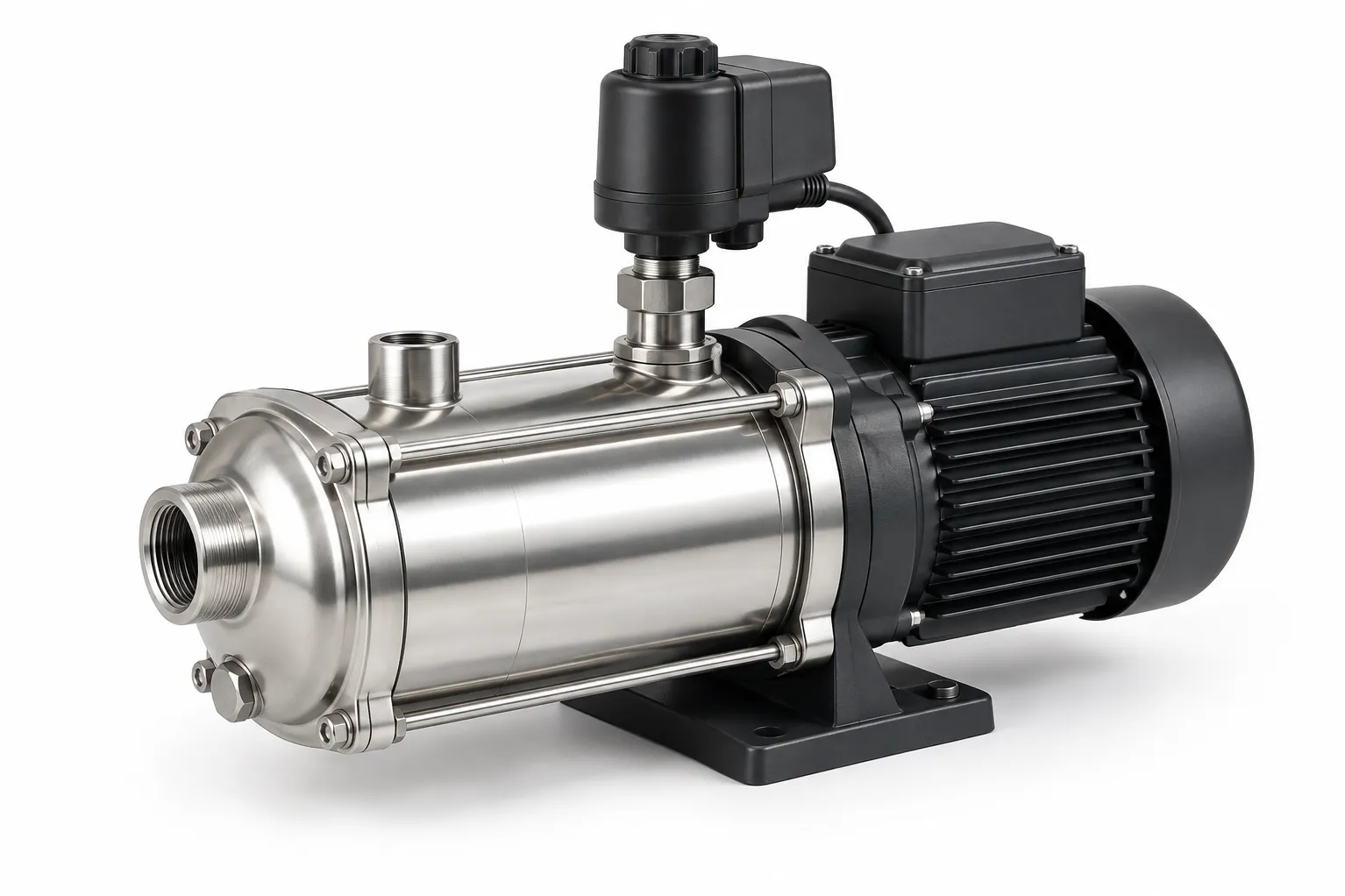
A booster pump can improve pressure, but selecting one without diagnosing the system may lead to noise, frequent cycling, leaks, or excessive pressure. Buyers choosing a booster pressure pump supplier should begin with measurements rather than assumptions.
Identify the Source of Low Pressure
Before installing a pump, inspect the existing plumbing system. Weak flow may result from:
- Low incoming supply pressure
- Partially closed valves
- Blocked filters or strainers
- Corroded or undersized pipes
- Excessive building elevation
- Tank outlet restrictions
- Leaking pipelines
- High simultaneous demand
- Faulty pressure-reducing valves
- Inadequate existing pump capacity
A booster pump will not permanently correct blocked plumbing or significant leakage. These issues should be resolved first.
Measure Flow and Pressure
Static pressure is measured when water is not flowing. Dynamic pressure is measured while outlets are in use. Both values are important.
The supplier should also know:
- Required flow rate
- Minimum pressure at the farthest outlet
- Height difference between source and outlet
- Pipe diameter and length
- Number of fixtures
- Expected simultaneous usage
- Available electrical supply
- Water source
- Operating hours
A residence in Jaipur may require a compact automatic booster, while a hotel in Udaipur or an industrial facility in Bhiwadi may need a multi-pump variable-speed system.
Choose the Correct System Type
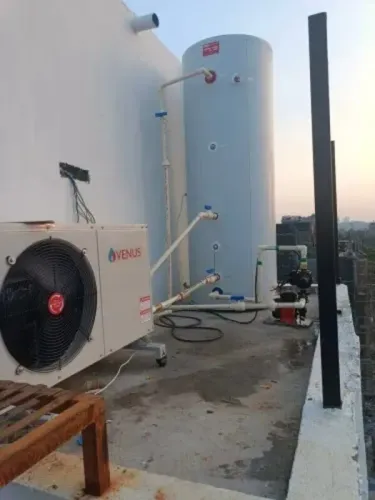
Common arrangements include:
Single Automatic Booster Pump
Suitable for smaller homes or limited-demand applications where pressure requirements are relatively modest.
Pump with Pressure Tank
The tank stores a small amount of pressurised water, reducing frequent starts during minor usage.
Variable-Speed Booster System
A variable frequency drive adjusts pump speed according to demand. This can maintain steadier pressure and reduce unnecessary energy use.
Multi-Pump Booster Set
Commercial buildings may use several pumps operating in stages. The arrangement can include standby capacity and alternating operation.
Avoid Oversizing
A high-powered pump is not automatically safer or more reliable. Excessive pressure can damage taps, flexible hoses, valves, water heaters, appliances, and concealed pipelines.
Oversized pumps may also start and stop frequently when the system has low demand. This short cycling increases wear on motors, contactors, pressure switches, and mechanical components.
The design should maintain the required terminal pressure while remaining within the safe limits of the plumbing network.
Review Water Temperature and Material Compatibility
Buyers should tell the supplier whether the pump will handle cold water, hot water, treated water, or another liquid. Pump materials, seals, impellers, and operating limits must be compatible with the application.
For potable water, wetted components should be appropriate for domestic supply. For hot water circulation or specialised commercial use, temperature ratings need careful verification.
Look for Essential Protection Features
Depending on the application, useful features may include:
- Dry-run protection
- Motor overload protection
- Low-water-level shutdown
- Pressure sensing
- Automatic restart
- Non-return valve
- High-pressure protection
- Manual override
- Fault indication
- Variable-speed control
Installation should also include isolation valves, accessible strainers, proper supports, safe electrical protection, and adequate ventilation.
Confirm Service and Commissioning Support
RISE N SHINE supplies pumping and water-management solutions for homes, hotels, builders, commercial properties, and industrial buyers across Rajasthan and northern India. Buyers should request a clearly stated pump duty point, not just motor horsepower.
A suitable proposal should explain the expected flow, developed pressure, control method, protection features, installation scope, and maintenance needs. When the supplier bases selection on actual measurements, a booster system can deliver stable water pressure without placing unnecessary strain on the plumbing network.
Keywords