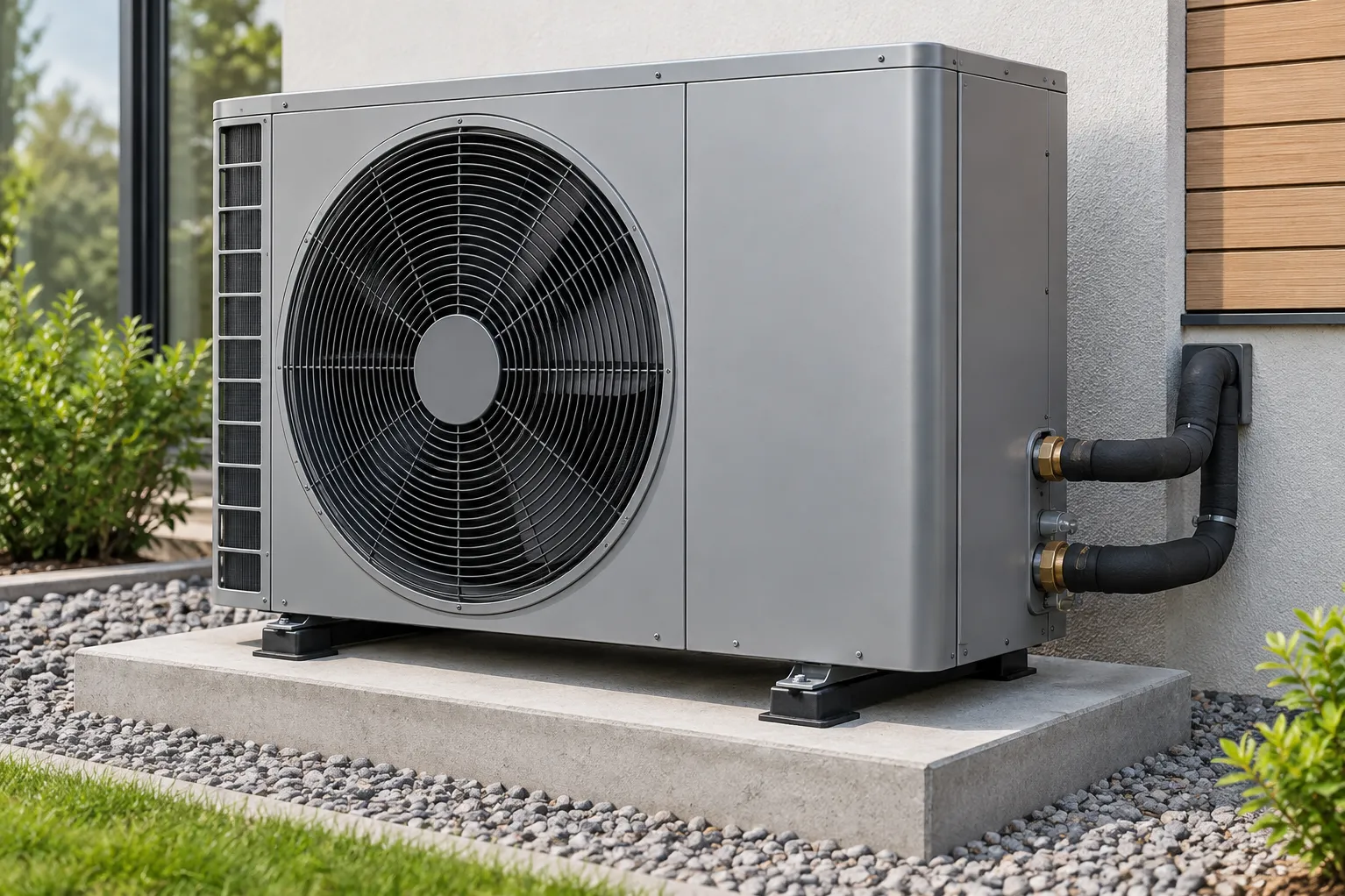
Hotels and resorts in Himachal Pradesh often face two related challenges: providing dependable hot water during cold weather and maintaining comfortable indoor temperatures across changing seasons. A hot and cold heat pump can support heating and cooling requirements, but mountain conditions demand careful equipment selection and system design.
Buyers should not assume that performance data measured in mild weather will apply unchanged to a property operating at higher altitude or low winter temperature.
Clarify the Required Functions
The term hot and cold heat pump may refer to different system arrangements. Some units provide space heating and cooling, while others can also support domestic hot water through a hydronic circuit or integrated storage arrangement.
Before seeking a proposal, define whether the property needs:
- Room heating
- Room cooling
- Domestic hot water
- Swimming pool heating
- Underfloor heating
- Fan coil operation
- Air-handling unit integration
- Seasonal changeover
- Simultaneous hot water and space conditioning
The heat pump supplier should explain how the selected configuration handles each function.
Review Low-Ambient Performance
As outdoor temperature falls, an air source heat pump has less available heat to absorb. Heating capacity and efficiency can decline, depending on the equipment design.
Properties in Shimla, Manali, Dharamshala, Solan, and other Himachal Pradesh locations should ask for performance data at temperatures relevant to their site.
Important details include:
- Heating capacity at low ambient temperature
- Power consumption under the same condition
- Minimum operating temperature
- Defrosting method
- Water outlet temperature
- Backup heating requirement
- Time needed to recover after defrosting
A nominal capacity shown at a mild test condition may not represent winter output at the hotel.
Account for Defrost Cycles
Moisture can freeze on the outdoor heat exchanger during cold conditions. The system must periodically defrost the coil to restore airflow and heat transfer.
During defrosting, heating output may temporarily reduce. Equipment sizing and storage should account for this interruption, especially where uninterrupted hot water is important.
The installation area must also manage water released during defrosting. Poor drainage can create ice around the unit, causing safety and operational concerns.
Calculate Building and Water Loads Separately
Room heating load depends on building size, insulation, glazing, orientation, air leakage, occupancy, and outdoor design temperature. Hot water demand depends on guest count, shower usage, kitchens, laundry, and peak periods.
Combining these requirements without separate calculations can produce an unreliable selection.
Hotels should provide:
- Number and type of rooms
- Occupancy pattern
- Building drawings
- Insulation details
- Existing terminal units
- Daily hot water demand
- Peak shower period
- Laundry and kitchen load
- Available electrical capacity
- Planned future expansion
Coordinate the Distribution System
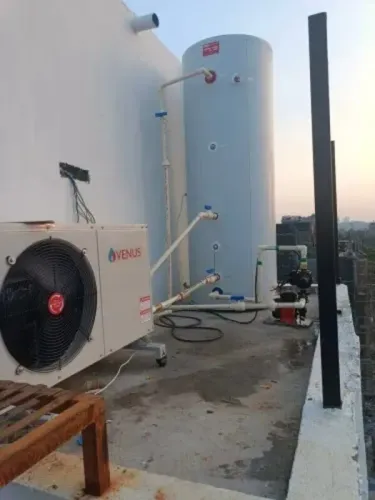
A hot and cold heat pump may supply fan coils, underfloor circuits, storage tanks, or other hydronic components. Water flow, pipe sizing, buffer storage, pumps, control valves, and temperature settings must be coordinated.
Underfloor heating normally operates at different water temperatures from certain other heating terminals. Controls may be required to manage separate zones and prevent uncomfortable temperature swings.
Plan Backup and Redundancy
Hotels cannot leave guest rooms or bathrooms without service during unusually cold weather or maintenance. Backup options may include electrical heaters, boilers, modular heat pumps, or retained existing systems.
A modular arrangement allows multiple units to operate in stages. It can also provide partial capacity if one unit is being serviced.
Evaluate the Supplier’s Readiness
A dependable hot and cold heat pump supplier should request climate information, load data, building plans, and operational requirements before recommending equipment.
RISE N SHINE works with hotels, resorts, builders, architects, and MEP consultants planning heating and water systems across Himachal Pradesh and northern India. The company can be considered where buyers require an integrated assessment rather than an equipment-only quotation.
The strongest signs of project readiness are completed load calculations, suitable installation space, confirmed electrical capacity, defined backup arrangements, and coordinated hydronic drawings. When these elements are addressed, a hot and cold heat pump can support year-round comfort more reliably in demanding mountain conditions.
Keywords