Commercial properties need hot water systems that can handle changing demand without causing excessive electricity consumption. Hotels experience peaks during the morning and evening, hospitals require dependable availability throughout the day, and residential developments may need hot water across multiple occupied units.
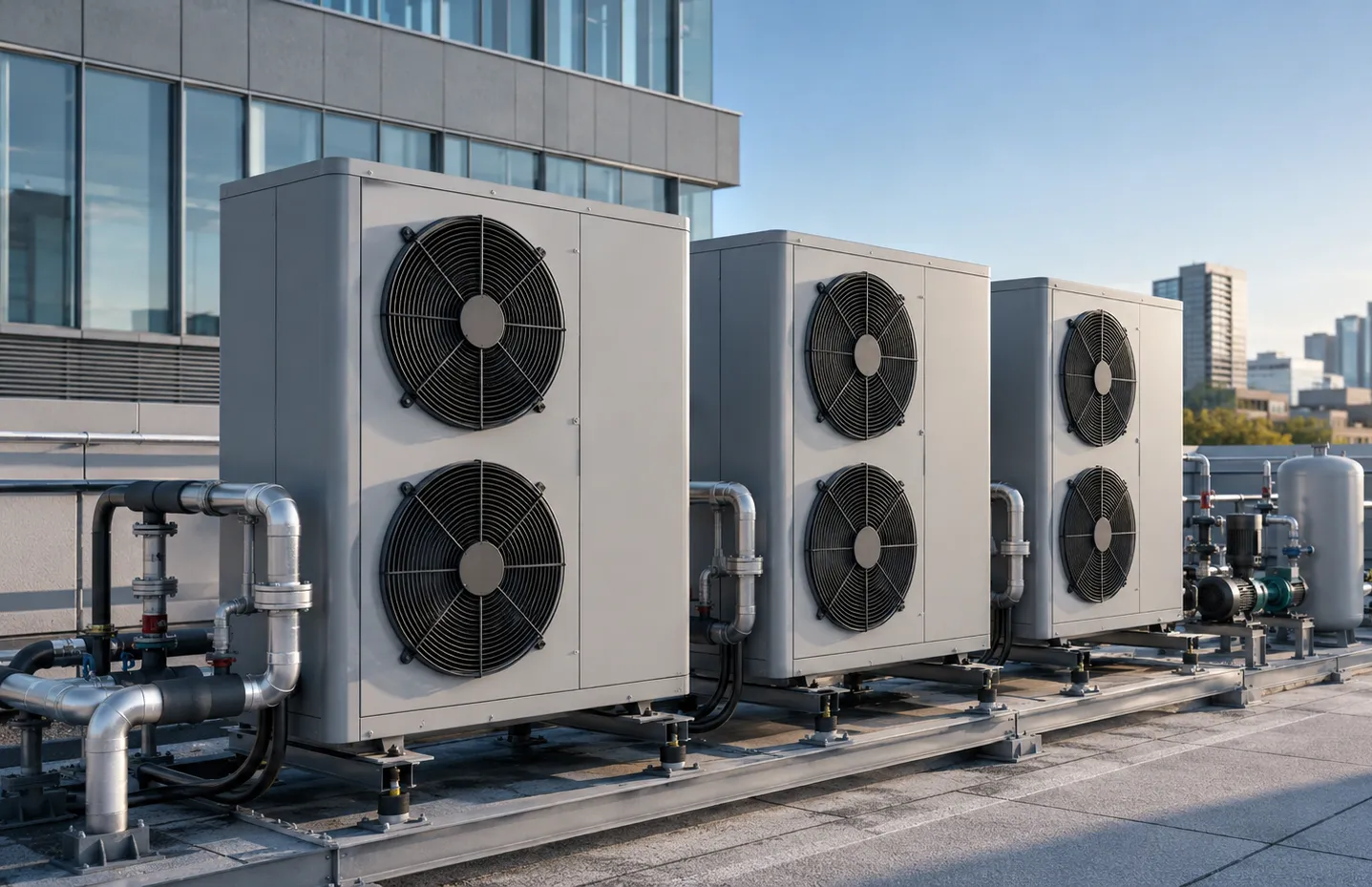
An air source heat pump uses energy available in the surrounding air to heat water. It can be an effective solution for properties in Haryana when capacity, storage, circulation, and installation conditions are evaluated together.
What Makes an Air Source Heat Pump Different
A conventional electric heater generates heat through electrical resistance. An air source heat pump transfers naturally available heat from the air into the water circuit.
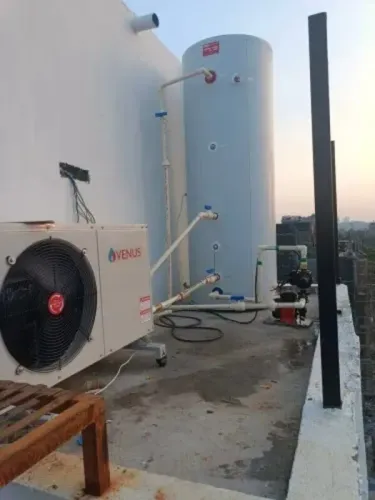
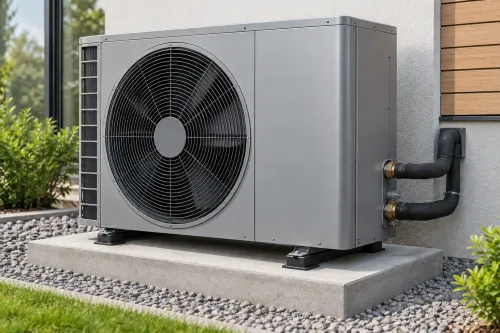
The system normally includes:
- An evaporator coil
- A compressor
- A condenser or heat exchanger
- Refrigerant controls
- A fan
- Temperature sensors
- A water circulation arrangement
- A control panel
Because ambient air is the primary heat source, operating conditions influence performance. System efficiency can change with outdoor temperature, humidity, required water temperature, and inlet water conditions.
Common Commercial Applications
An air source heat pump supplier may recommend different configurations for different types of properties.
Hotels and Resorts
Hotels require a steady supply for guest bathrooms, kitchens, housekeeping, and laundry operations. Occupancy fluctuations and peak-hour consumption must be included in capacity calculations.
Hospitals
Hospitals may need hot water for patient rooms, washing, cleaning, kitchens, and selected process requirements. Reliability, hygiene, temperature control, and backup arrangements are particularly important.
Apartment Developments
Centralised systems can serve multiple units when distribution lines and consumption controls are planned properly. Builders should include the hot water system during the plumbing and MEP design stage.
Industrial Facilities
Factories may use heated water for staff facilities, component washing, food processing, sanitation, or other operations. Process temperature requirements should be distinguished from general-purpose domestic hot water.
Information a Supplier Needs
Buyers can obtain a more useful proposal by sharing accurate operational information. This should include:
- Application type
- Daily hot water requirement
- Peak demand duration
- Required outlet temperature
- Inlet water temperature
- Available electrical supply
- Existing storage tank details
- Plumbing distance
- Site photographs or drawings
- Equipment installation area
- Current heating method
- Expected future expansion
A proposal based only on the number of rooms or users may not reflect actual consumption. For example, two 50-room hotels can have very different requirements depending on occupancy, laundry operations, kitchen demand, and shower usage.
Questions to Ask Before Selection
Before choosing equipment, ask the supplier about:
- Heating capacity under expected site conditions
- Recommended storage volume
- Time required to recover the tank temperature
- Maximum practical outlet temperature
- Backup heating provision
- Compressor and heat exchanger specifications
- Noise and airflow requirements
- Control and safety features
- Preventive maintenance needs
- Service coverage in the installation location
Buyers in Faridabad, Gurugram, Manesar, Sonipat, and other parts of Haryana should also confirm whether local service support is available. Delayed maintenance can be particularly disruptive for properties dependent on centralised hot water.
Avoiding Common Planning Errors
Several problems attributed to heat pump technology are actually caused by system-design mistakes. These include insufficient storage, narrow pipelines, poorly insulated distribution lines, restricted airflow, incorrect pump selection, and unrealistic temperature settings.
It is also important to account for water quality. Hard water can contribute to scaling in heat exchangers, tanks, and plumbing components. A water-softening or treatment arrangement may be required where hardness is significant.
Looking Beyond the Equipment Price
A reliable evaluation should compare capital cost with expected energy use, maintenance, equipment life, serviceability, and operational continuity. A cheaper system that struggles during peak demand may create higher long-term costs through backup heater use and repeated repairs.
RISE N SHINE supplies water heating solutions for commercial and residential requirements across Haryana and Delhi NCR. A technically suitable selection should be based on measured demand and site conditions rather than a generic capacity recommendation.
Air source heat pumps can provide efficient hot water when every part of the arrangement works together. Accurate load calculation, adequate storage, insulated piping, proper airflow, and responsive service support are the foundations of dependable performance.
Keywords