Homeowners commonly use electric geysers for bathroom and kitchen hot water. While these appliances are convenient for individual outlets, electricity consumption can rise when a large household has several bathrooms, frequent bathing requirements, or high daily hot water demand.
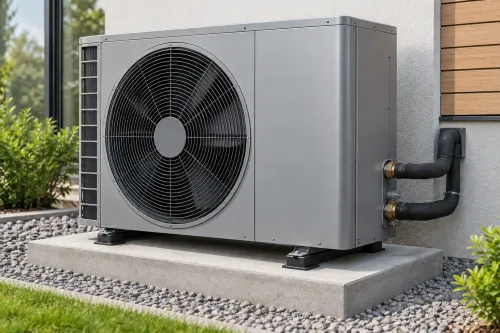
A domestic heat pump water heater provides an alternative by extracting heat from the surrounding air and transferring it into stored water. For villas, farmhouses, premium residences, and larger family homes in Rajasthan, this technology can support centralised hot water with lower dependence on direct electrical resistance heating.
When a Domestic Heat Pump Makes Sense
A heat pump is most useful when a home consumes a meaningful quantity of hot water every day. It may be worth considering when the property has:
- Multiple bathrooms
- Five or more regular occupants
- Bathtubs or high-flow showers
- Staff accommodation
- A kitchen with substantial hot water use
- Frequent guest occupancy
- An existing central hot water line
- Plans to replace several electric geysers
A small apartment with limited hot water demand may not achieve the same value as a large home. The decision should reflect consumption, plumbing layout, equipment space, and expected years of use.
Understanding the Centralised Arrangement
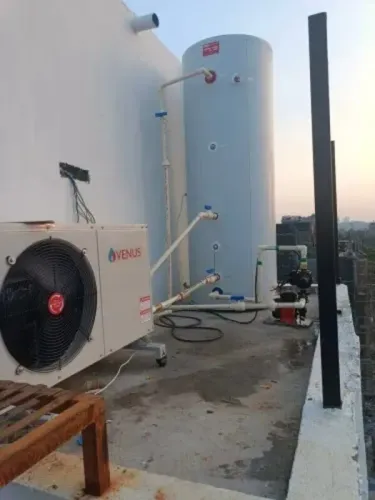
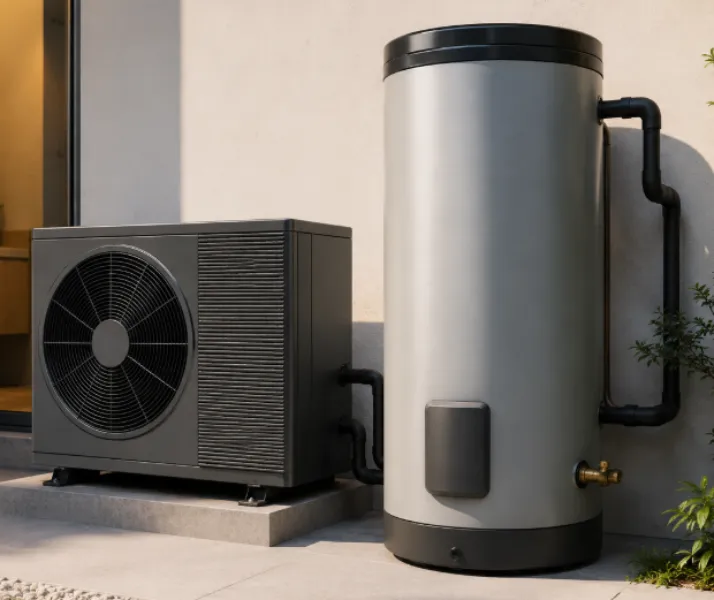
Unlike a separate geyser installed in every bathroom, a domestic heat pump usually works with a central insulated tank. Heated water is distributed from this tank to the required outlets.
The complete arrangement may include:
- Heat pump unit
- Hot water storage tank
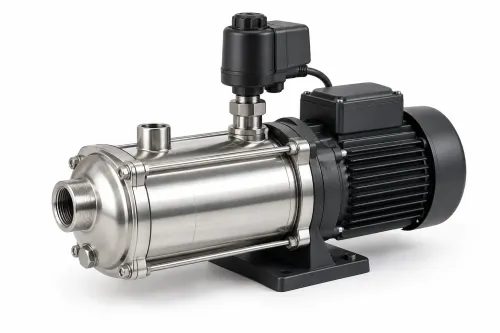
- Circulation pump
- Insulated supply line
- Return line where required
- Temperature controls
- Backup heating element
- Safety and isolation valves
A return circulation line can make hot water available more quickly at distant bathrooms. However, the line must be insulated and controlled correctly to prevent unnecessary heat loss.
Climate and Installation Considerations
Rajasthan’s generally warm conditions can be favourable for air source heat pump operation, although actual performance still depends on the selected equipment and installation environment.
The unit needs a steady supply of air. It should not be placed in a sealed storage room where discharged cool air is repeatedly drawn back into the system.
A suitable location should have:
- Free airflow
- Safe drainage for condensate
- Easy maintenance access
- Electrical protection
- A level supporting base
- Reasonable proximity to the storage tank
- Protection from avoidable dust accumulation
In cities such as Jaipur, Alwar, Bhiwadi, and Neemrana, local dust and water conditions should be included in the maintenance plan.
Select Capacity Around Real Usage
Capacity should not be chosen only by counting bathrooms. A guest bathroom may be used rarely, while one high-flow shower can consume more water than several standard outlets.
The assessment should consider:
- Number of regular users
- Typical bathing schedule
- Shower flow rate
- Required water temperature
- Kitchen or utility use
- Tank recovery time
- Plumbing distance
- Seasonal inlet water temperature
Where demand is concentrated within a short morning period, adequate storage becomes especially important.
Do Not Ignore Hard Water
Hard water can lead to scale formation within heat exchangers, tanks, valves, and shower fittings. Over time, this may reduce heating performance and water flow.
A water hardness test can show whether a softener or another treatment solution is advisable. Periodic descaling and tank inspection should also form part of preventive maintenance.
Comparing Cost with Long-Term Use
A domestic heat pump generally has a higher initial cost than a single electric geyser. The comparison becomes more relevant when it replaces several geysers or serves a home with substantial daily demand.
Homeowners should compare:
- Initial equipment and installation cost
- Expected electricity consumption
- Number of conventional heaters being replaced
- Maintenance expense
- Tank and component quality
- Service support
- Expected period of ownership
RISE N SHINE works with homeowners, architects, plumbing contractors, and builders planning domestic hot water systems in Rajasthan and neighbouring regions. A site-specific assessment helps determine whether centralised heat pump water heating is appropriate for the property.
For the right home, a domestic heat pump water heater can provide convenient central hot water and better energy management. Its long-term performance depends on accurate sizing, good insulation, suitable water treatment, and responsible maintenance.
Keywords