Waiting several minutes for hot water is more than an inconvenience. Every time a distant tap is opened and cold water in the pipeline is discharged, usable water goes down the drain. In hotels, hospitals, apartments, and large homes, this wastage can occur repeatedly throughout the day.
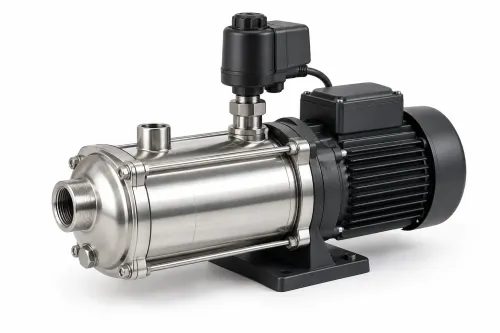
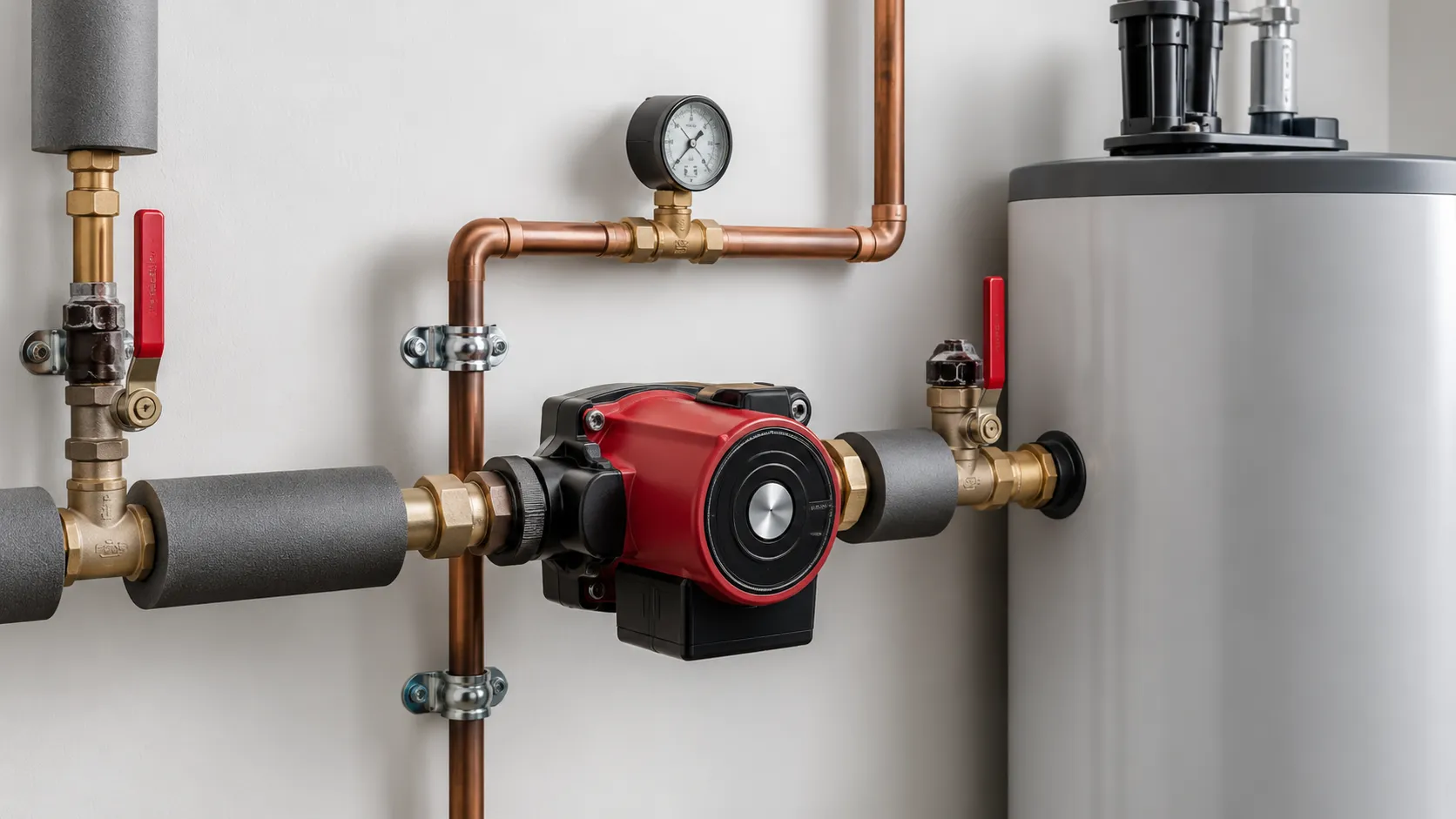
A hot water circulation system keeps heated water moving through a supply-and-return loop so that it remains available closer to the outlets. Selecting the right hot water circulation pump supplier is important because the pump must match the piping system rather than merely provide the highest possible flow.
Why Hot Water Takes Time to Arrive
When a tap is closed, water remaining in the hot water pipeline gradually cools. The next user must discharge this cooled water before newly heated water reaches the outlet.
The delay increases when:
- The heater is far from the outlet
- The building has long pipe routes
- Pipe diameter is large
- Insulation is poor
- Multiple floors are served
- Branches are not balanced
- Hot water use is intermittent
A circulation loop returns cooled water to the storage or heating system, allowing it to be reheated.
Why Pump Sizing Requires Care
An undersized pump may not circulate enough water through the farthest branches. An oversized pump can create excessive velocity, noise, unnecessary electricity use, and premature wear in pipes or fittings.
Selection should be based on:
- Total circulation pipe length
- Pipe diameter
- Estimated heat loss
- Required circulation flow
- Static and friction losses
- Number of floors
- Branch layout
- Water temperature
- Operating schedule
- Valve and fitting resistance
The supplier may need plumbing drawings or a site inspection to determine the appropriate pump duty point.
Insulation Is Essential
A circulation pump cannot compensate efficiently for poorly insulated pipelines. Continuous movement through exposed pipes can increase heat loss and force the heating equipment to operate more frequently.
Hot water supply and return lines should be insulated using material suitable for the operating temperature and installation environment. Outdoor sections, shafts, terraces, and service areas require particular attention.
For existing properties in Patna and other Bihar cities, an inspection can identify damaged or missing insulation before pump capacity is increased.
Use Controls to Avoid Unnecessary Operation
A pump does not always need to run continuously. Controls can reduce energy use while maintaining convenience.
Possible approaches include:
- Time-based scheduling
- Temperature-based control
- Demand-activated circulation
- Building management system integration
- Occupancy-based operation
- Manual override for special events
A hotel may schedule continuous circulation during peak guest hours and reduce operation overnight. A residence may use a timer around regular bathing periods.
Balance Multiple Branches
In a large building, water may follow the path of least resistance. Nearby branches can receive excessive circulation while distant outlets remain slow to heat.
Balancing valves help distribute flow across different loops. Thermostatic balancing may be considered where more precise control is required.
The design should also include isolation valves and service access so that pumps, strainers, and non-return valves can be maintained without shutting down the entire system.
Check Material and Temperature Compatibility
Every component in the circulation system must be suitable for hot potable water. This includes the pump body, seals, valves, fittings, and pipe materials.
Buyers should confirm:
- Maximum water temperature
- Pump construction material
- Required electrical supply
- Motor efficiency
- Noise characteristics
- Dry-run or overload protection
- Serviceability
- Spare-parts support
Water quality should also be reviewed because scaling and sediment can affect pump and valve performance.
Coordinate the Pump with the Heater
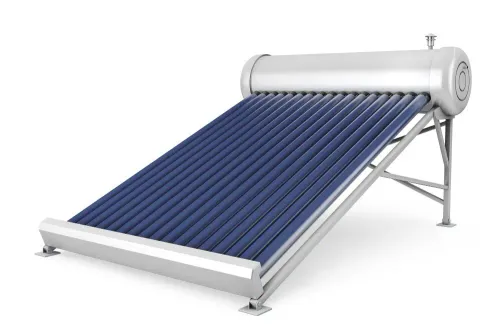
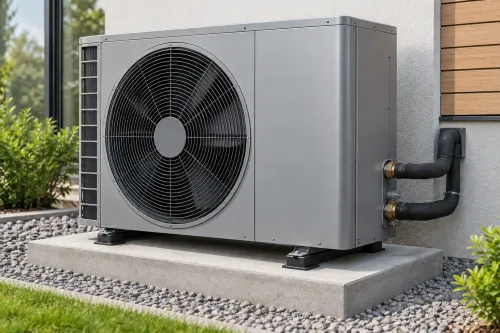
The circulation pump should work in coordination with the heat pump, boiler, solar heater, or central storage system. Incorrect return connections can disturb tank stratification or cause inaccurate temperature sensing.
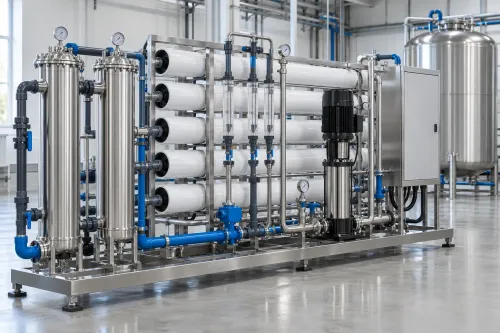
RISE N SHINE supplies hot water and pumping solutions for residences and commercial facilities across Bihar and northern India. Proper selection begins with the building’s pipe layout, expected heat loss, and operating schedule.
A well-designed circulation system can shorten waiting time, reduce water wastage, and improve user comfort. The best results come from correct pump sizing, insulated pipes, balanced branches, and intelligent controls not from continuous high-speed circulation.
Keywords