Hot water systems are a significant operating expense for hotels, hospitals, hostels, apartments, commercial kitchens, factories, and institutional buildings. Conventional electric geysers and boilers may appear simple to install, but their energy consumption can become expensive when hot water is required throughout the day.
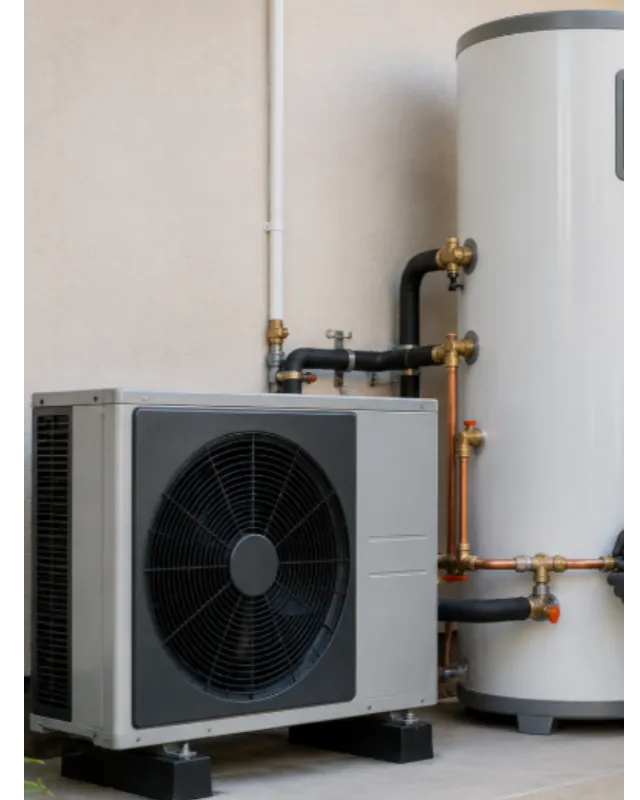
A heat pump water heater offers a more energy-efficient approach. Instead of producing all its heat directly through an electrical heating element, the system absorbs heat from the surrounding air and transfers it to the stored water. Electricity is primarily used to operate the compressor, fan, and circulation components.
For buyers evaluating a heat pump water heater manufacturer in Delhi NCR, understanding the technology and system-planning requirements is essential.
How Heat Pump Water Heating Works
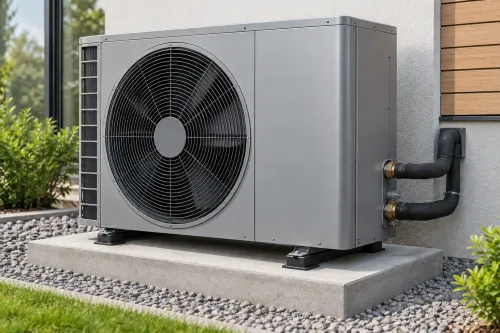
An air-to-water heat pump generally operates through four stages:
- The evaporator absorbs heat from the surrounding air.
- Refrigerant carries the absorbed heat through the system.
- A compressor raises the refrigerant temperature.
- A heat exchanger transfers this heat to the water.
This process allows the system to deliver more heating energy than the electrical energy it consumes under suitable operating conditions. Actual efficiency depends on ambient temperature, inlet water temperature, desired outlet temperature, installation quality, and daily hot water demand.
Where Heat Pump Water Heaters Are Used
Heat pump systems can be designed for domestic and commercial applications, including:
- Villas and premium residences
- Hotels and resorts
- Hospitals and nursing homes
- Hostels and staff accommodations
- Restaurants and banquet facilities
- Gyms and sports centres
- Apartment complexes
- Industrial washing applications
- Educational institutions
- Commercial laundries
Delhi NCR properties can have very different requirements. A residence in Gurugram may need a compact system for morning and evening use, while a hotel in Noida may require continuous hot water across several floors. Equipment capacity should therefore be based on consumption patterns rather than building size alone.
Why Correct Capacity Matters
An undersized heat pump may run for extended periods and still fail to meet peak demand. An oversized unit can increase the initial investment without delivering proportional benefits.
A proper assessment should consider:
- Number of users or occupied rooms
- Litres of hot water required per person
- Peak usage periods
- Required delivery temperature
- Storage tank capacity
- Recovery time between demand cycles
- Pipe length and heat loss
- Availability of installation space
- Seasonal ambient conditions
- Provision for backup heating
For commercial facilities, future expansion should also be discussed. A system designed only for current occupancy may become inadequate when additional rooms, beds, production lines, or wash areas are introduced.
The Role of Storage and Circulation
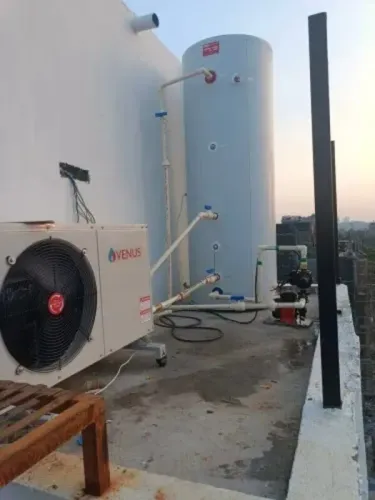
A heat pump is only one part of the complete hot water arrangement. The storage tank must retain heat effectively and hold enough water to manage demand during busy periods.
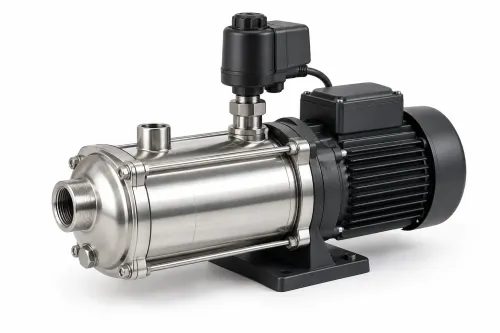
Buildings with long plumbing routes may also require a circulation system. This keeps hot water available near distant outlets and reduces the waiting time at taps and showers. However, poorly insulated circulation lines can continuously lose heat and increase the heating load.
Correct pipe sizing, insulation, pump selection, tank placement, and control settings can make a substantial difference to overall performance.
Installation Conditions That Affect Performance
Heat pump units need adequate airflow because they extract heat from the surrounding air. Placing the equipment in a cramped or poorly ventilated enclosure can reduce efficiency.
The installation area should provide:
- Sufficient air circulation
- Drainage for condensate
- Safe electrical connections
- Access for servicing
- A stable mounting surface
- Suitable distance from occupied quiet zones
- Protection against avoidable dust or obstruction
Outdoor and semi-covered locations may be suitable when the selected model is designed for those conditions.
Evaluating Long-Term Value
The purchase price should not be the only consideration. Buyers should examine expected energy consumption, operating hours, maintenance requirements, tank quality, compressor protection, controls, and service availability.
RISE N SHINE works with residential and commercial buyers assessing heat pump water heating requirements across Delhi, Haryana, Uttar Pradesh, and surrounding regions. The most dependable solution begins with a realistic hot water load assessment and a system layout suited to the property.
A well-planned heat pump water heater can lower dependence on high-consumption resistance heating while providing reliable hot water. Its success, however, depends on coordinated equipment selection, storage, circulation, insulation, installation, and maintenance.
Keywords