Commercial buildings rely heavily on hot water for daily operations. Hotels, hospitals, educational institutions, apartment complexes, and office facilities all require dependable hot water while keeping operating costs under control. This is why an Air Source Heat Pump System Supplier has become an important consideration for businesses seeking efficient heating solutions.
Unlike conventional electric or fuel-based water heating systems, air source heat pumps utilize naturally available heat from the surrounding air. This technology provides an effective way to produce hot water with significantly lower energy consumption.
Across Haryana, commercial property owners are increasingly evaluating air source heat pump systems as part of broader sustainability and energy management initiatives.
What Is an Air Source Heat Pump System?
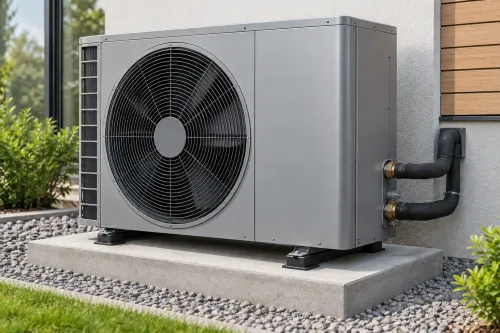
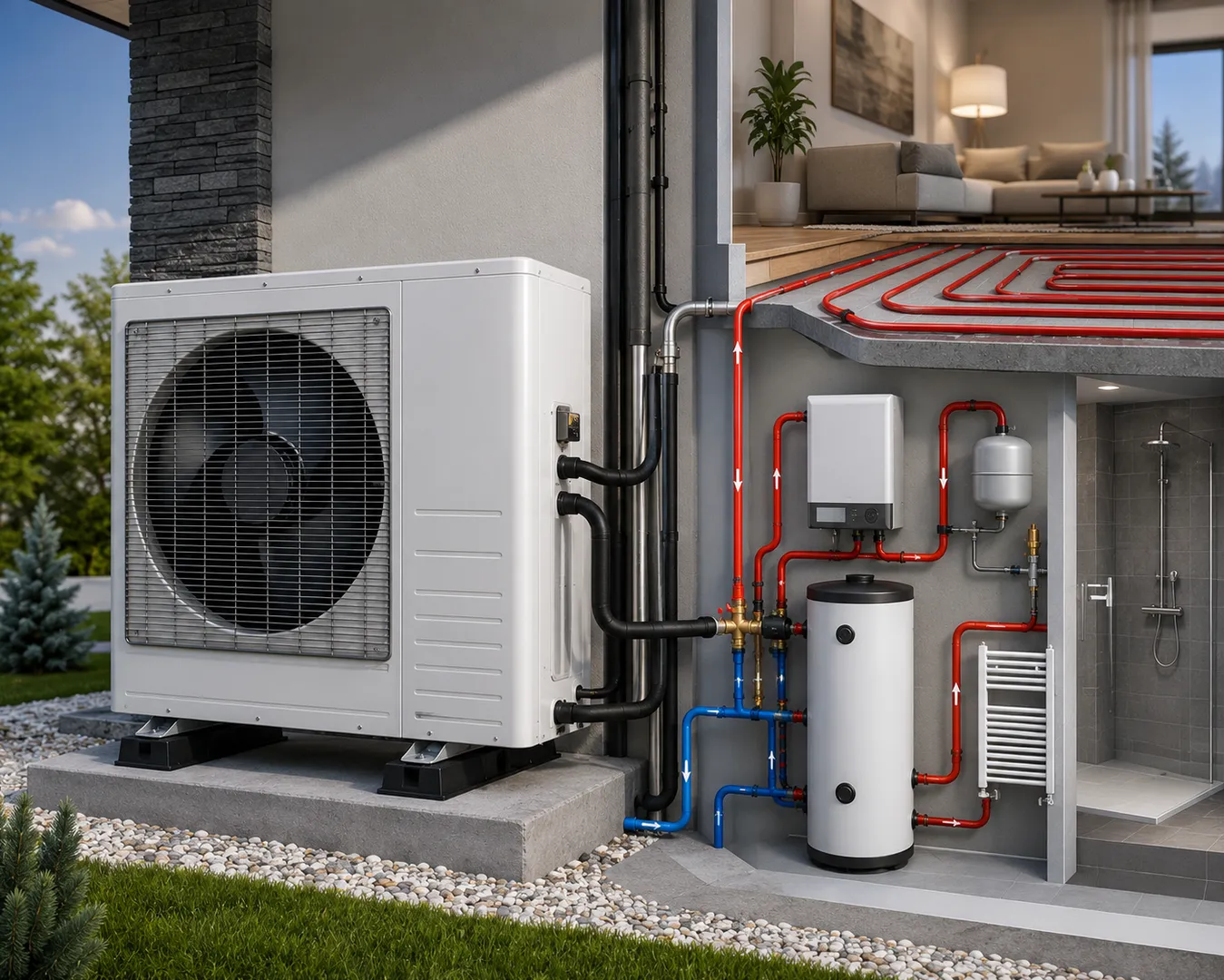
An air source heat pump captures thermal energy from outdoor air and transfers it into water through a refrigeration cycle.
Instead of generating heat directly, the system moves existing heat from one location to another, making it much more energy efficient.
Major components typically include:
- Evaporator
- Compressor
- Condenser
- Expansion valve
- Water storage tank
- Intelligent control system
These components work together to deliver consistent hot water with reduced electricity usage.
Industries That Benefit the Most
Air source heat pump systems are widely used in:
- Hotels
- Hospitals
- Residential apartments
- Educational institutions
- Manufacturing facilities
- Commercial kitchens
- Fitness centres
- Resorts
- Student hostels
Each application has unique hot water demand patterns, making system selection an important part of project planning.
Key Benefits for Commercial Properties
Lower Energy Bills
Since the system transfers heat instead of generating it electrically, businesses can reduce energy consumption substantially compared to conventional heating methods.
Continuous Hot Water Availability
Properly designed systems provide reliable hot water throughout the day, even during peak operational periods.
Reduced Carbon Emissions
Lower electricity consumption contributes to improved environmental performance and supports sustainability initiatives.
Low Maintenance Requirements
Routine servicing is generally sufficient to maintain long-term efficiency when quality equipment is installed correctly.
Important Selection Factors
Before choosing an air source heat pump system, commercial buyers should evaluate several technical considerations.
These include:
- Daily hot water demand
- Peak usage hours
- Storage capacity
- Installation space
- Ambient temperature conditions
- Future expansion requirements
- Operating efficiency ratings
Working with experienced system designers helps ensure the equipment matches actual usage requirements.
Common Installation Locations
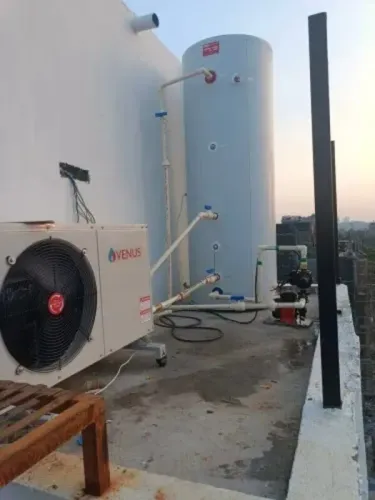
Air source heat pumps are commonly installed in:
- Hotel rooftops
- Service terraces
- Mechanical rooms
- Utility areas
- Building service zones
Proper airflow around the unit is essential for maintaining efficient operation.
Mistakes to Avoid During System Planning
Businesses sometimes focus only on equipment cost while overlooking factors that influence long-term performance.
Common mistakes include:
- Choosing incorrect system capacity
- Ignoring peak demand calculations
- Poor plumbing design
- Inadequate insulation
- Improper installation location
- Delaying preventive maintenance
Careful planning helps avoid operational inefficiencies later.
Why Professional System Design Matters
Every commercial property has different operating patterns.
A hospital requires continuous hot water around the clock, while a hotel experiences higher demand during morning and evening hours. Apartment complexes may have concentrated usage during specific times of the day.
Professional design ensures:
- Proper equipment sizing
- Efficient water circulation
- Reduced heat loss
- Stable system performance
- Better lifecycle value
The Growing Shift Toward Energy-Efficient Infrastructure
Commercial construction increasingly emphasizes sustainable building services. Efficient hot water systems contribute to reduced operating expenses and support green building objectives.
Businesses researching reliable solutions often evaluate manufacturers such as RISE N SHINE, which offers air source heat pump systems for a variety of commercial applications. Decision-makers typically compare energy performance, lifecycle costs, and after-sales support before selecting a supplier.
For commercial developments across Haryana, investing in an air source heat pump system represents a practical step toward long-term operational efficiency and responsible energy management.
Keywords