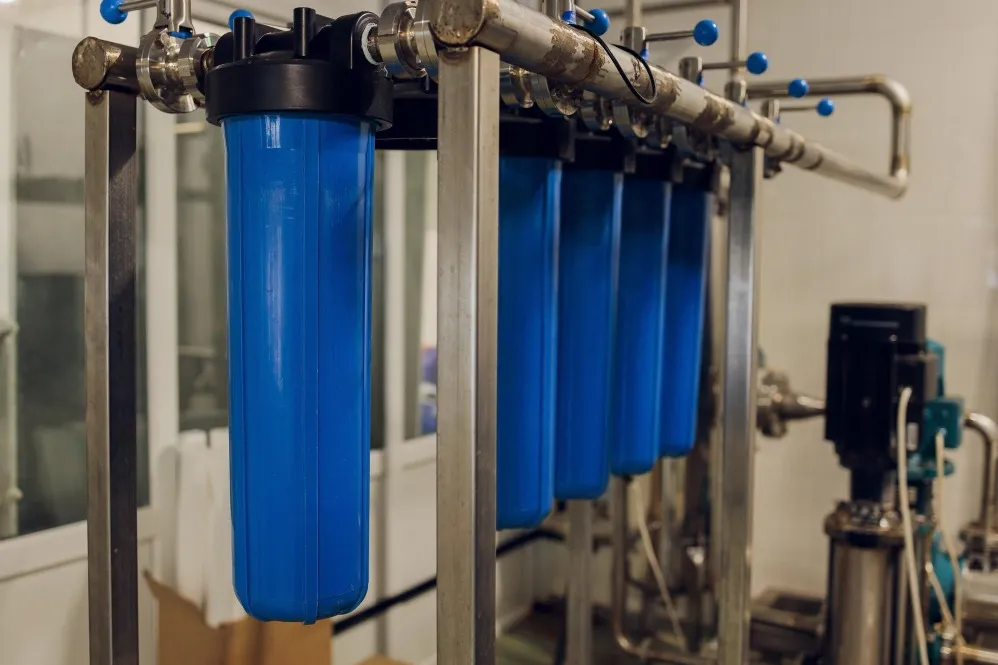
Water quality plays a critical role in industrial operations. Whether it is manufacturing, pharmaceuticals, food processing, healthcare, hospitality, or commercial infrastructure, untreated water can affect production efficiency, equipment life, and operating costs. Investing in the right Industrial RO Water Treatment Solutions requires careful evaluation rather than selecting a system based solely on capacity or price.
Industries across Delhi NCR are increasingly adopting advanced reverse osmosis (RO) systems to meet quality standards, reduce maintenance, and optimize water usage.
Why Industrial Water Treatment Matters
Industrial water often contains dissolved salts, suspended solids, hardness, microorganisms, and other contaminants. If left untreated, these impurities can lead to:
- Scale formation inside equipment
- Corrosion of pipelines
- Reduced boiler efficiency
- Poor product quality
- Higher maintenance expenses
- Increased operational downtime
A well-designed RO system helps remove these impurities while supporting reliable industrial processes.
Understanding Industrial RO Technology
Reverse osmosis uses a semi-permeable membrane to separate dissolved impurities from water under pressure.
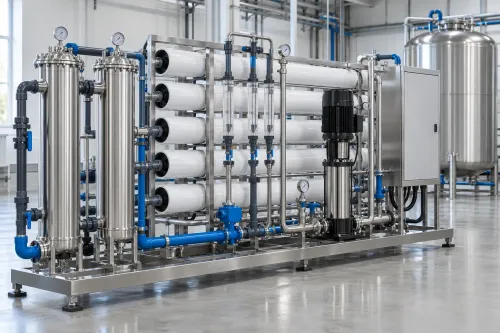
A complete industrial RO plant generally includes:
- Raw water storage
- Pre-treatment filters
- Water softening (if required)
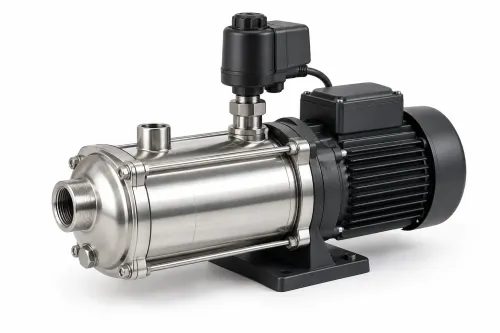
- High-pressure pumps
- RO membranes
- Control systems
- Treated water storage
Each component contributes to maintaining water quality and protecting the membranes from damage.
Factors to Evaluate Before Purchasing
Every industry has unique water treatment requirements. Before selecting a system, evaluate:
Water Quality Analysis
Testing the raw water source is the first step. Parameters such as TDS, hardness, pH, iron, silica, and microbial content influence system design.
Daily Water Requirement
The system should match both current and future production demands without unnecessary oversizing.
Recovery Rate
Higher recovery reduces water wastage while improving operational efficiency.
Energy Consumption
Modern RO systems are designed to minimize electricity usage while maintaining consistent output.
Automation Features
Automated monitoring, alarms, and control panels improve system reliability and simplify operation.
Industries That Commonly Use Industrial RO Systems
Industrial RO plants are widely installed in:
- Food and beverage industries
- Pharmaceutical manufacturing
- Hotels and resorts
- Hospitals
- Chemical industries
- Textile processing
- Educational campuses
- Commercial complexes
Each sector requires different water quality standards based on its operational needs.
Common Mistakes Buyers Should Avoid
Many buyers overlook important technical factors during procurement.
Avoid these common errors:
- Purchasing without water testing
- Ignoring maintenance requirements
- Selecting insufficient capacity
- Overlooking membrane quality
- Choosing suppliers without technical support
- Comparing only upfront cost
A properly engineered system delivers better long-term value than one selected purely on price.
Questions to Ask Before Finalising a Supplier
When comparing industrial RO providers, ask:
- Is the system customised for my water quality?
- What is the expected recovery percentage?
- What maintenance schedule is recommended?
- Are spare parts readily available?
- What warranty and technical support are provided?
These questions help ensure the solution matches operational requirements.
Looking Beyond Equipment Specifications
Industrial water treatment is not just about installing machinery. Long-term performance depends on proper engineering, quality components, and dependable after-sales support.
Companies such as RISE N SHINE provide industrial RO water treatment solutions designed for varied industrial applications while assisting customers with system selection based on water quality and process requirements. Businesses evaluating suppliers often compare engineering capability, service support, and lifecycle operating costs before making a decision.
For industries throughout Delhi NCR, investing in the right industrial RO water treatment solution helps improve production reliability, protect equipment, and reduce long-term operating expenses.
Keywords