Uneven water pressure is a common problem in apartments, hotels, hospitals, offices, and mixed-use developments. Upper floors may receive weak flow, while lower floors experience excessive pressure. Demand can also change rapidly when many occupants use showers, taps, kitchens, or utility areas at the same time.
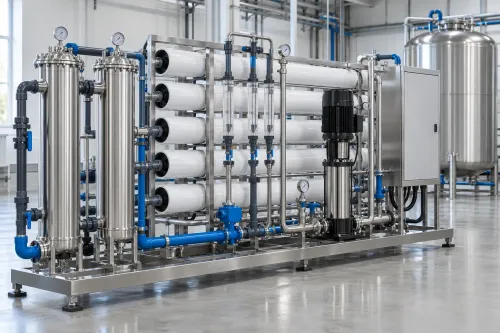
A hydropneumatic system maintains water pressure automatically using pumps, sensors, controls, and pressure vessels. Builders and facility managers evaluating a hydropneumatic pump system manufacturer should examine the proposed design as a complete pressure-management solution.
Confirm the Required Flow and Pressure
The first step is calculating how much water the building may need during peak demand. Adding the flow rates of every fixture usually produces an unrealistic figure because all outlets are unlikely to operate simultaneously.
A professional calculation should consider:
- Building type
- Number of occupants
- Fixture count
- Simultaneous usage probability
- Number of floors
- Height of the highest outlet
- Pipe friction loss
- Minimum required terminal pressure
- Irrigation or utility demand
- Fire-system separation
Domestic water boosting should be planned independently from fire-fighting requirements unless the design specifically provides an approved combined arrangement.
Review the Pump Configuration
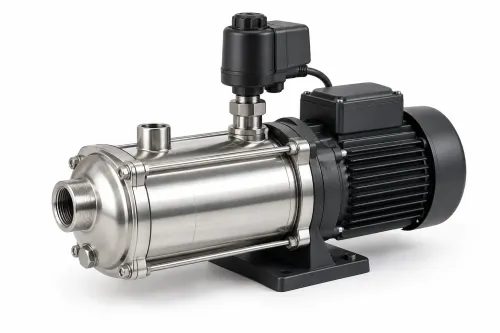
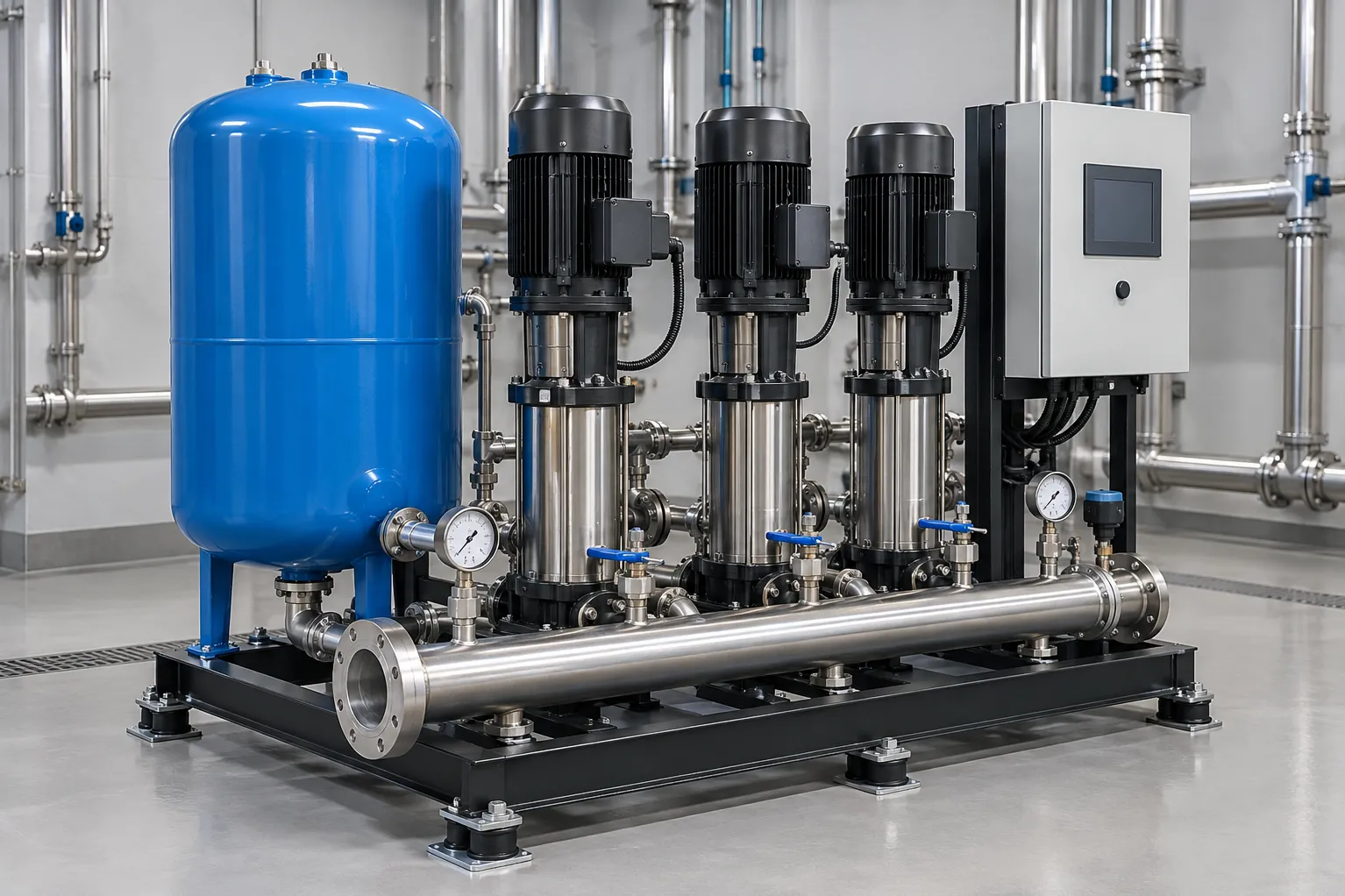
Large properties often use multiple pumps instead of one oversized unit. A typical configuration may include duty, assist, and standby pumps.
This approach offers several benefits:
- Capacity can increase as demand rises
- Pumps can alternate to balance operating hours
- Partial service can continue during maintenance
- Energy use can reduce during low-demand periods
- Future replacement becomes more manageable
Variable frequency drives can adjust motor speed to maintain the required pressure. The control logic should prevent rapid cycling and respond smoothly to changing demand.
Check the Pressure Vessel Selection
The pressure vessel stores a limited volume of pressurised water and helps stabilise the system. It can reduce frequent pump starts during small draw-offs.
The vessel must be selected according to system volume, operating pressure, pump configuration, and control strategy. Pre-charge pressure should be checked during commissioning and preventive maintenance.
A poorly maintained vessel can become waterlogged, causing frequent pump cycling and increased mechanical stress.
Examine Safety and Control Features
The control panel should provide clear operational information and protect the equipment from abnormal conditions.
Useful features may include:
- Low-water-level protection
- Dry-run protection
- Motor overload protection
- Phase-failure protection
- High-pressure shutdown
- Pump alternation
- Automatic and manual modes
- Fault indication
- Pressure display
- Building management system connectivity
Facility teams should receive basic operating guidance so they can identify abnormal cycling, leaks, vibration, and pressure changes early.
Evaluate Installation Quality
Even well-selected pumps can perform poorly when suction conditions or pipework are incorrect.
The installation checklist should cover:
- Adequate suction pipe size
- Minimal unnecessary bends
- Proper pump alignment
- Vibration-control mounts
- Flexible connectors where required
- Isolation and non-return valves
- Accessible strainers
- Suitable drainage
- Ventilation around motors
- Safe maintenance clearances
In Delhi, Noida, Gurugram, and Ghaziabad, basement pump rooms can be congested. Coordinating the system during the MEP planning stage can prevent access and ventilation problems.
Ask About Noise Management
Pump vibration can travel through slabs and pipes, disturbing nearby rooms. This is especially important in hotels, hospitals, and residential towers.
Anti-vibration pads, flexible connections, correct pipe supports, acoustic treatment, and appropriate pump speed can help control operational noise.
Verify Service Readiness
Before finalising a manufacturer, ask who will handle commissioning, preventive maintenance, emergency support, and spare parts. The proposal should clearly state the pump make, motor rating, control components, vessel specification, design duty, and installation scope.
RISE N SHINE works with builders, MEP consultants, plumbing contractors, and facility managers planning hydropneumatic systems across Delhi NCR. A site-specific design helps ensure that equipment matches the building’s actual pressure zones and usage patterns.
The strongest readiness indicator is not simply a powerful pump. It is a coordinated system that delivers stable pressure, adapts to demand, protects its components, and remains serviceable throughout the building’s operating life.
Keywords