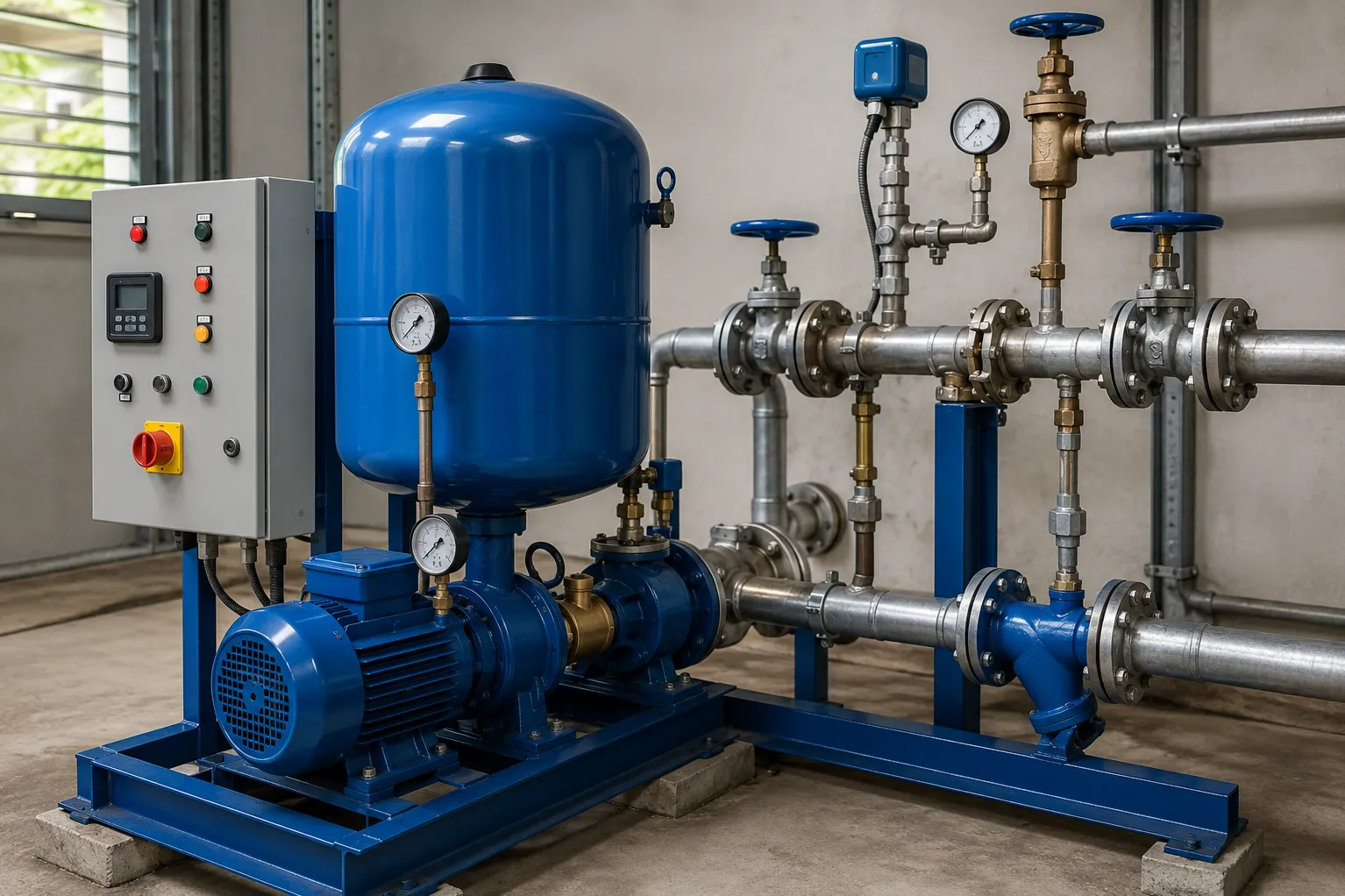
Maintaining consistent water pressure is one of the biggest challenges in residential towers, commercial buildings, hotels, hospitals, and industrial facilities. Low water pressure not only affects user comfort but can also disrupt daily operations. A well-designed Hydropneumatic Pressure Pump System offers an efficient solution by maintaining steady water pressure throughout the building.
Across Himachal Pradesh, where building elevations and varied terrain can influence water distribution, hydropneumatic systems are becoming an increasingly practical choice.
What Is a Hydropneumatic Pressure Pump System?
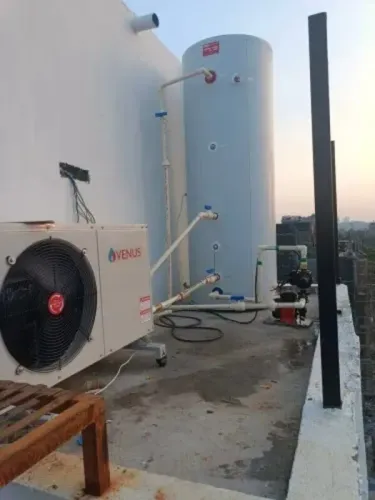
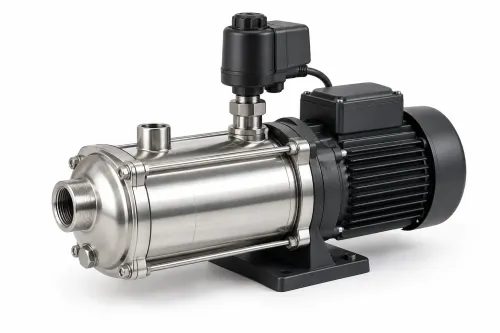
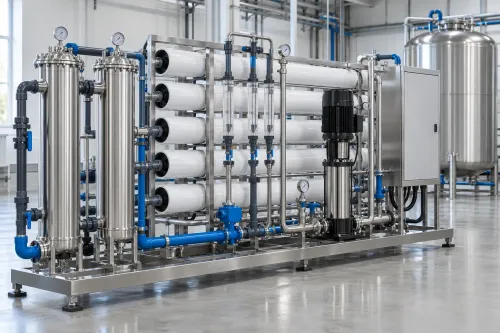
A hydropneumatic system combines pumps, pressure vessels, sensors, and control panels to maintain constant water pressure automatically.
Instead of relying solely on overhead tanks, the system adjusts pump operation based on water demand, ensuring efficient distribution across the property.
Common Signs Your Building Needs One
Inconsistent Water Pressure
If upper floors experience weak water flow while lower floors receive adequate pressure, the existing system may no longer meet demand.
Frequent Pump Cycling
Pumps that start and stop repeatedly often indicate pressure imbalance or inefficient system design.
Water Supply Fluctuations
Noticeable pressure drops during peak hours suggest the need for a more advanced pressure management solution.
Increasing Maintenance Costs
Older pumping systems often require frequent repairs, increasing operational expenses over time.
Buildings That Benefit Most
Hydropneumatic pressure systems are commonly installed in:
- Apartment complexes
- Hotels
- Hospitals
- Office buildings
- Shopping centres
- Educational campuses
- Manufacturing facilities
Each project requires system sizing based on occupancy and water demand.
Benefits Beyond Water Pressure
A properly designed system also provides:
- Reduced electricity consumption
- Better pump efficiency
- Longer equipment life
- Lower maintenance costs
- Improved user comfort
- Automatic operation
These advantages make hydropneumatic systems suitable for modern infrastructure projects.
Factors to Consider Before Installation
Before selecting a system, evaluate:
- Building height
- Daily water demand
- Peak consumption periods
- Pipe network design
- Future expansion requirements
- Available installation space
Professional engineering ensures the equipment matches building requirements.
Maintenance Recommendations
Routine servicing includes:
- Pressure vessel inspection
- Pump performance testing
- Sensor calibration
- Leak detection
- Control panel checks
Preventive maintenance helps maintain reliable operation throughout the year.
Choosing the Right Solution
Every building has unique water distribution challenges. Companies such as RISE N SHINE assist builders, consultants, and facility managers by providing hydropneumatic pressure pump systems designed for different building sizes and operating conditions.
For residential and commercial developments across Himachal Pradesh, upgrading to a modern hydropneumatic pressure pump system can improve water distribution, reduce maintenance issues, and deliver a more reliable water supply.
Keywords