Solar water heating can reduce the amount of electricity or fuel used for routine hot water production. It is commonly considered for residences, hotels, hostels, hospitals, staff housing, religious facilities, and institutional buildings with predictable daytime hot water demand.
However, solar water heaters are not identical. Collector design, tank construction, water quality, roof conditions, winter temperatures, and backup requirements all affect performance. Buyers evaluating a solar water heater manufacturer in Uttarakhand should begin with the site rather than a standard product package.
How Solar Water Heating Works
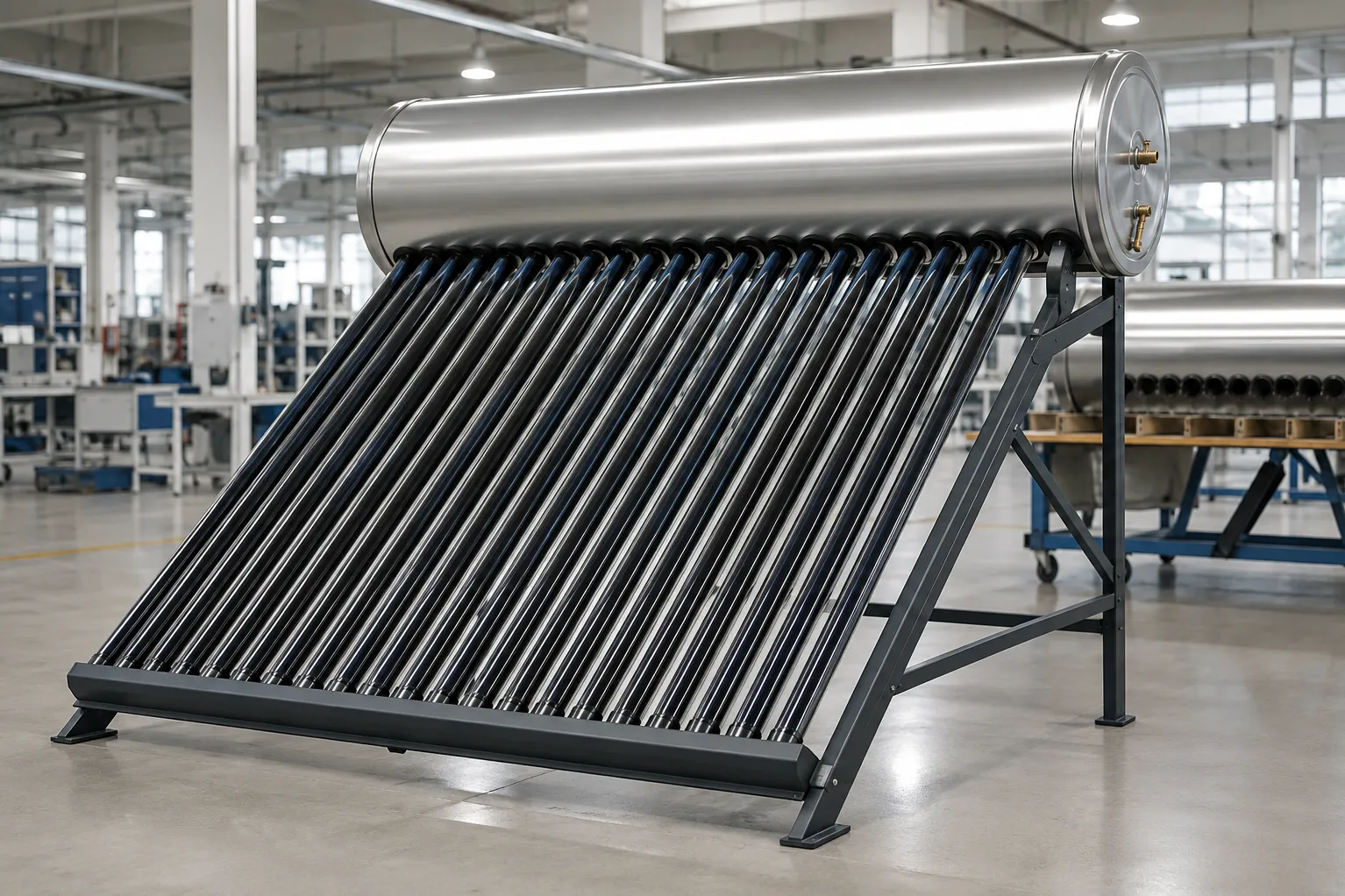
A solar water heating system captures energy from sunlight and uses it to increase the temperature of water. The heated water is stored in an insulated tank until required.
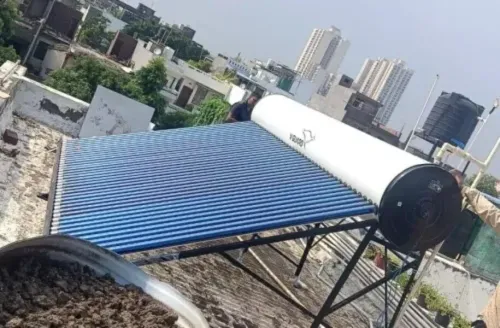
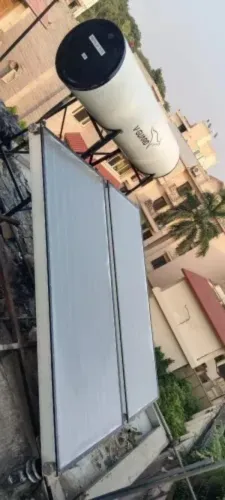
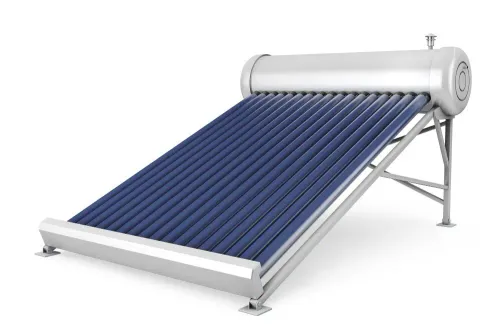
Common configurations include evacuated tube collector systems and flat plate collector systems. The appropriate choice depends on climate, water quality, required temperature, system scale, installation conditions, and maintenance expectations.
Neither technology should be selected solely because it is more commonly advertised. The complete application must be assessed.
Review Solar Exposure
Collectors need adequate access to sunlight. Nearby buildings, parapet walls, water tanks, trees, hills, and other structures may cast shadows during important heating hours.
Before installation, check:
- Direction and slope of the roof
- Hours of unobstructed sunlight
- Seasonal shadow movement
- Collector orientation
- Available mounting area
- Roof load capacity
- Wind exposure
- Access for installation and servicing
Conditions can vary considerably between Dehradun, Haridwar, Haldwani, Rudrapur, and hill locations. A site survey helps identify whether standard mounting is suitable or a customised structure is needed.
Calculate Demand Realistically
Solar system capacity is often discussed in litres per day, but user behaviour influences actual performance.
The assessment should include:
- Number of occupants
- Bathrooms and shower types
- Morning and evening consumption
- Kitchen and laundry requirements
- Hotel occupancy
- Hospital bed capacity
- Seasonal demand
- Desired water temperature
- Existing backup system
Hotels and institutions should avoid sizing a system solely according to maximum occupancy without studying average and peak consumption. A balanced design can improve utilisation and avoid unnecessary capital cost.
Account for Cold Weather
Winter conditions in Uttarakhand require careful attention, especially in areas where temperatures can fall close to or below freezing.
The system may need protection through appropriate design features, insulation, installation practices, or specialised configurations. Exposed pipes should be kept as short as practical and insulated correctly.
Buyers should ask the manufacturer how the proposed system handles:
- Low overnight temperatures
- Frost risk
- Reduced winter sunlight
- Cloudy weather
- Extended non-use
- Emergency drainage
- Backup heating
Test the Water Quality
Hard water can create scale inside tubes, tanks, pipes, and valves. Sediment may also affect system performance.
Testing the incoming water helps determine whether filtration, softening, periodic flushing, or another treatment method is necessary. The selected tank and collector materials should be compatible with local water conditions.
Plan for Backup Heating
Solar energy availability changes with weather and season. A reliable hot water plan should therefore include backup heating for periods of insufficient sunlight or unusually high demand.
Backup options may include:
- Electrical heating elements
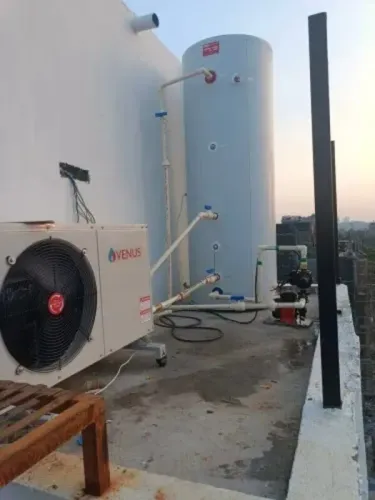
- Heat pump integration
- Boilers
- Existing geysers
- Hybrid control arrangements
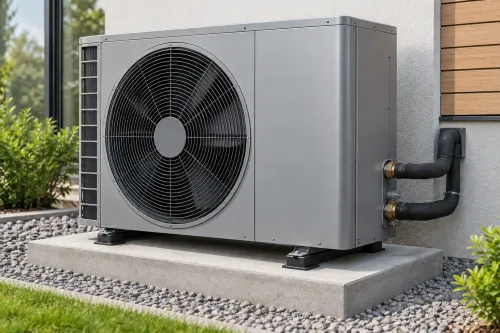
For commercial properties, heat pump and solar systems can sometimes be combined so that solar energy handles part of the load and the heat pump supports temperature recovery when necessary.
Assess Product and Installation Quality
A strong proposal should explain collector construction, storage tank material, insulation, supporting structure, valves, piping, controls, safety features, warranty coverage, and maintenance.
RISE N SHINE provides water heating solutions for residential and commercial properties across Uttarakhand and northern India. The company’s role in system planning includes understanding demand, regional conditions, and the supporting plumbing arrangement.
A solar water heater can be a practical long-term investment when the roof has suitable exposure and the system is matched to local climate and water quality. Thoughtful sizing, winter protection, effective insulation, and reliable backup are more important than simply choosing the largest available tank.
Keywords