
Property owners planning a new hot water system often compare solar water heaters with heat pumps. Both technologies are designed to reduce energy consumption, but they work differently and suit different applications. Understanding these differences can help homeowners, builders, and commercial buyers make an informed decision when choosing a Solar Water Heating System Provider or evaluating heat pump technology.
Across Uttar Pradesh, growing interest in energy-efficient infrastructure has encouraged many residential and commercial projects to adopt sustainable water heating solutions.
How Solar Water Heating Systems Work
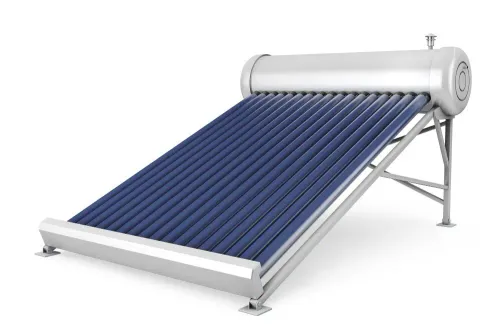
Solar water heaters use collectors installed on rooftops to absorb sunlight and transfer heat to water stored in insulated tanks.
Their performance depends largely on:
- Available sunlight
- Roof orientation
- Seasonal weather conditions
- Collector efficiency
Solar systems are widely used in homes, hotels, hospitals, and institutions with sufficient roof space.
How Heat Pump Water Heating Works
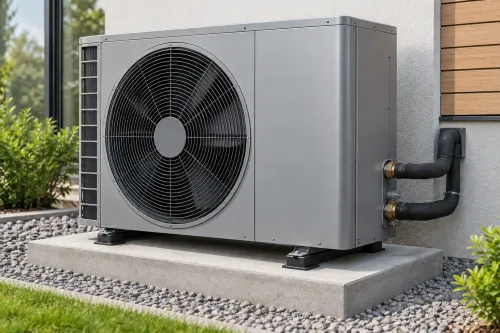
Heat pumps absorb heat from the surrounding air rather than relying on direct sunlight.
This allows them to operate throughout the day and in varying weather conditions while consuming less electricity than conventional electric heaters.
Comparing the Two Technologies
Energy Source
Solar Water Heating
- Uses sunlight
- Performance depends on weather
Heat Pump
- Uses ambient air
- Operates in different climatic conditions
Installation Requirements
Solar systems generally require:
- Adequate rooftop area
- Proper collector orientation
- Structural support
Heat pumps require:
- Good airflow
- Utility space
- Suitable plumbing connections
Maintenance
Both systems require periodic maintenance, though the type of servicing differs depending on the technology.
Regular inspections improve efficiency and extend equipment life.
Which Option Is Better for Homes?
For residential applications, the choice depends on:
- Available roof space
- Family size
- Budget
- Local weather
- Daily hot water demand
Some homeowners even combine both technologies for greater efficiency.
Commercial Considerations
Hotels, hospitals, hostels, and industrial facilities often require large volumes of hot water throughout the day.
Decision-makers typically evaluate:
- Operating costs
- Reliability
- Recovery time
- Space availability
- Lifecycle value
The most suitable solution varies depending on the building's operating pattern.
Environmental Benefits
Both solar water heating systems and heat pumps contribute to sustainability by reducing electricity consumption and lowering greenhouse gas emissions.
These technologies also support green building initiatives and long-term energy conservation goals.
Choosing the Right Provider
When comparing providers, buyers should consider:
- Product quality
- Engineering expertise
- Installation capability
- Warranty
- Service support
- Project experience
An experienced supplier can recommend the most suitable solution based on actual usage requirements rather than a one-size-fits-all approach.
Making the Right Long-Term Investment
Businesses and homeowners often compare multiple technologies before investing in energy-efficient water heating systems. Companies like RISE N SHINE offer solutions that include heat pump technology while helping customers understand where each option performs best.
For projects across Uttar Pradesh, evaluating energy efficiency, operating costs, installation requirements, and long-term maintenance helps ensure the selected system delivers dependable performance for years to come.
Keywords