Swimming pools lose heat through evaporation, cool air, wind, splash-out, and contact with surrounding surfaces. Even when daytime temperatures are comfortable, pool water can become unpleasantly cold during early mornings, evenings, and transitional seasons.
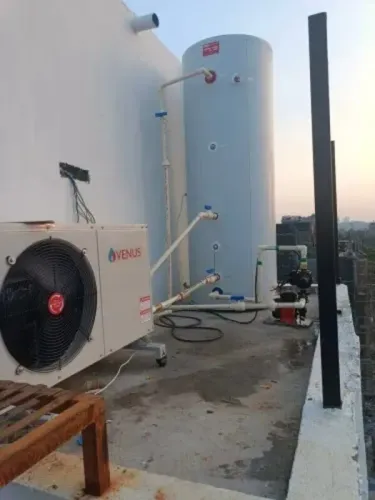
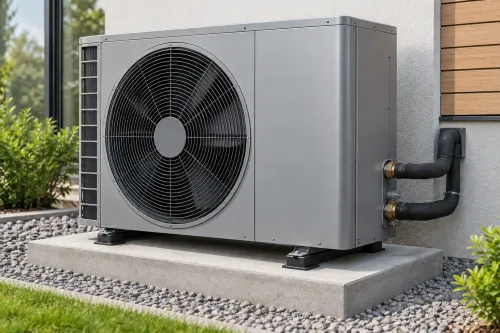
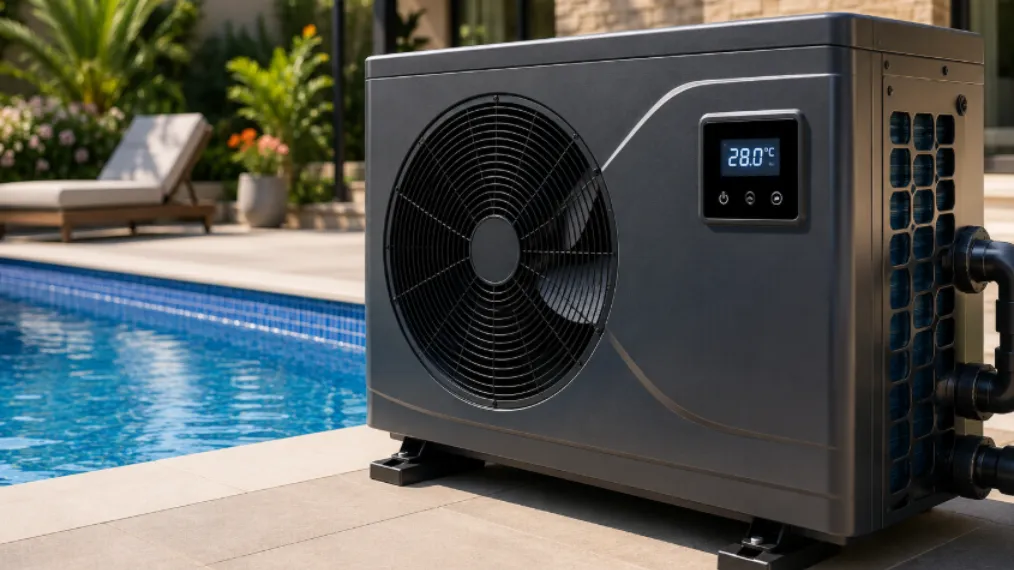
A pool heat pump helps maintain a more usable water temperature by absorbing heat from the ambient air and transferring it into the circulating pool water. Choosing the right swimming pool heat pump supplier requires a careful review of pool conditions rather than selecting equipment from volume alone.
Why Pool Volume Is Only the Starting Point
Pool length, width, average depth, and water volume are essential, but they do not fully determine heating capacity.
The calculation should also consider:
- Indoor or outdoor installation
- Desired pool temperature
- Lowest expected ambient temperature
- Wind exposure
- Shaded or sunny conditions
- Daily operating schedule
- Required initial heating time
- Presence of a pool cover
- Heat loss from overflow systems
- Usage by adults, children, or therapy patients
An exposed rooftop pool in Delhi may lose heat faster than a sheltered pool of the same size. Likewise, a resort seeking rapid temperature recovery may need a different arrangement from a private residence maintaining a steady temperature.
Use a Pool Cover to Reduce Heat Loss
Evaporation is a major source of pool heat loss. A suitable cover can reduce evaporation when the pool is not being used and can lower the heating load.
Without a cover, the heat pump may need to run longer, particularly during cool or windy periods. Buyers should therefore assess the heating unit and cover as complementary components rather than unrelated purchases.
Check Water Flow Requirements
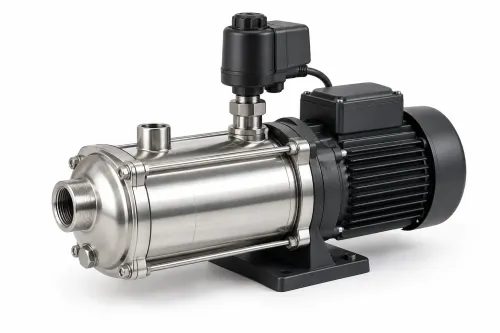
A pool heat pump works within the filtration and circulation system. Correct water flow is necessary for effective heat transfer.
Excessively low flow can trigger safety shutdowns or reduce heating performance. Excessive flow may also create operational problems if it exceeds the equipment’s recommended range.
The installation may require:
- A bypass arrangement
- Isolation valves
- Flow switches
- Correctly sized pipes
- A compatible circulation pump
- Pressure monitoring
- Appropriate placement after filtration
The supplier should review the existing filtration system before recommending the final arrangement.
Confirm Compatibility with Pool Water
Swimming pool water contains treatment chemicals that can be corrosive to unsuitable materials. Heat exchangers used in pool heat pumps should be selected for compatibility with the intended water chemistry.
Saltwater pools require particular attention. Buyers should share information about chlorination, salt concentration, pH management, and any special treatment process.
Water chemistry must remain within recommended limits. Poorly maintained pH or excessive chemical concentration can damage equipment even when corrosion-resistant components are used.
Evaluate Noise and Airflow
The fan and compressor produce operational sound. For residential pools, hotels, and resorts, the location of the unit should be planned to reduce disturbance to bedrooms, guest areas, neighbouring properties, and poolside seating.
The heat pump should also have adequate airflow. It should not be enclosed by walls, landscaping, stored materials, or decorative panels that restrict air movement.
Ask About Low-Temperature Performance
Not every heat pump performs equally during colder conditions. Buyers seeking an extended swimming season should ask for heating output data at realistic ambient temperatures.
Important questions include:
- What is the rated heating capacity?
- At which air and water temperatures was it measured?
- How does output change in colder weather?
- Does the unit include automatic defrosting?
- What pool size is supported under actual site conditions?
- Is modular installation available for larger pools?
- What electrical connection is required?
- What service support is available locally?
Choose for Lifecycle Value
Purchase price should be compared with operating efficiency, heat exchanger construction, compressor quality, control features, noise level, serviceability, and warranty terms.
RISE N SHINE supplies pool heating solutions for homes, clubs, hotels, schools, wellness centres, and resorts across Delhi and Delhi NCR. A technically sound recommendation should reflect the actual pool environment and the owner’s preferred swimming season.
The right swimming pool heat pump can extend pool usability and maintain more comfortable water temperatures. Accurate sizing, proper water flow, disciplined chemical management, and reduced heat loss are what turn the equipment into an effective pool-heating system.
Keywords