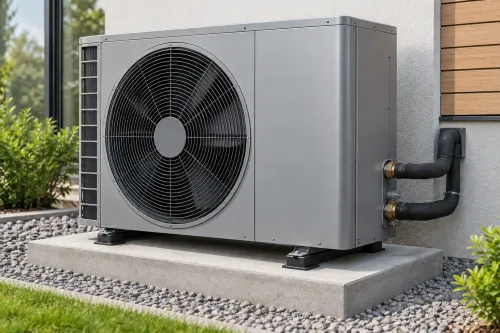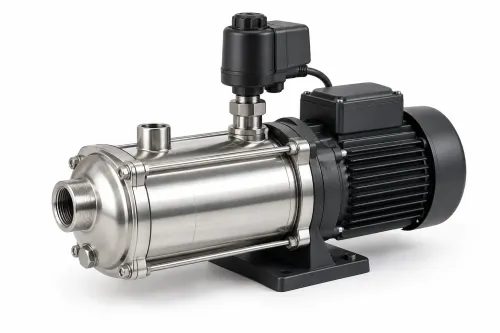
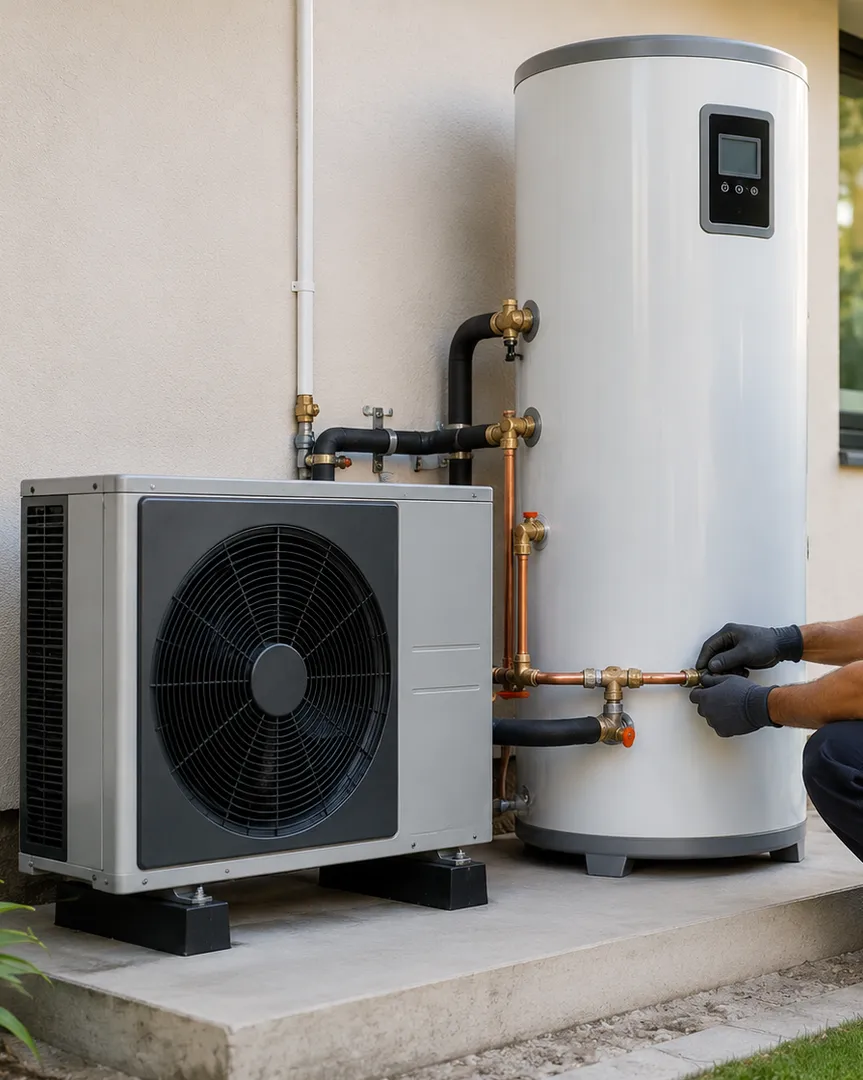
Installing a Domestic Heat Pump Water Heater is becoming an increasingly popular decision for homeowners who want lower energy bills and a more sustainable way to heat water. While the technology offers many long-term advantages, proper planning before installation is essential to achieve the expected performance.
For families building new homes or upgrading existing properties in Uttarakhand, understanding the installation process can help avoid costly mistakes and ensure years of reliable operation.
Why Installation Planning Matters
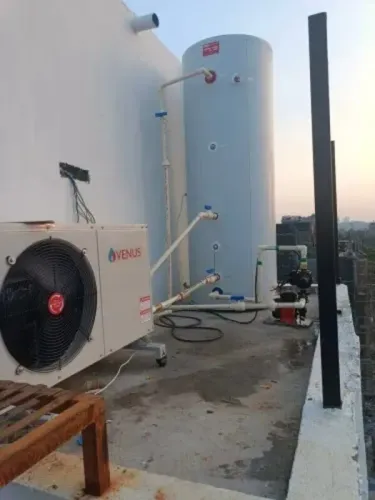
A heat pump water heater is different from a conventional electric geyser. It requires suitable airflow, proper plumbing integration, and correct system sizing.
Without these considerations, even a high-quality unit may not deliver optimal efficiency.
Assess Your Household's Hot Water Needs
The first step is estimating daily hot water consumption.
Factors include:
- Number of family members
- Bathrooms in use
- Kitchen requirements
- Laundry frequency
- Seasonal demand
Choosing the right capacity ensures sufficient hot water without unnecessary energy consumption.
Selecting the Right Installation Location
Heat pump systems perform best in locations with adequate airflow.
Suitable areas may include:
- Utility rooms
- Service balconies
- Outdoor equipment zones
- Mechanical areas
The installation site should also provide easy access for maintenance and servicing.
Plumbing and Electrical Requirements
Before installation, verify that the existing infrastructure can support the new system.
Important checks include:
- Water pressure
- Pipe condition
- Drainage arrangements
- Electrical supply
- Circuit protection
- Space for storage tanks
Professional assessment helps identify any required upgrades before installation begins.
Water Quality Considerations
Hard water can affect the performance of many water heating systems over time.
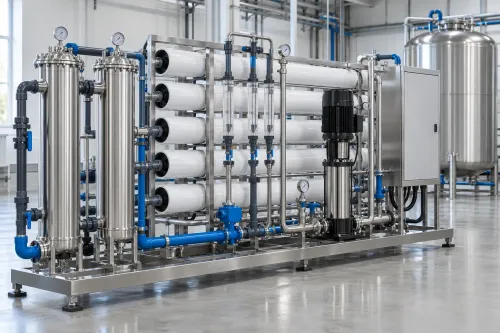
Depending on local water conditions, homeowners may benefit from additional water treatment equipment to reduce scaling and improve long-term efficiency.
Professional Installation Makes a Difference
Experienced installers ensure:
- Correct pipe sizing
- Proper insulation
- Safe electrical connections
- Accurate temperature settings
- Efficient system commissioning
These factors directly influence system reliability and operating costs.
Maintenance After Installation
Routine maintenance keeps the system operating efficiently.
Recommended practices include:
- Cleaning filters
- Inspecting electrical components
- Checking refrigerant performance
- Examining plumbing connections
- Scheduling annual servicing
Preventive maintenance extends equipment life and helps maintain consistent performance.
Common Installation Mistakes
Avoid these frequently encountered issues:
- Choosing an undersized unit
- Installing in poorly ventilated spaces
- Ignoring water quality
- Poor insulation of hot water pipes
- Delaying routine servicing
Addressing these factors during installation reduces future maintenance requirements.
Making an Informed Decision
Domestic heat pump water heaters are designed to provide reliable, energy-efficient hot water for years when properly selected and installed. Homeowners comparing different systems often evaluate efficiency ratings, installation support, warranty coverage, and lifecycle costs before making a purchase.
Companies like RISE N SHINE offer domestic heat pump water heating solutions for residential projects, helping homeowners understand the technical requirements before installation. For households across Uttarakhand, careful planning and professional installation can maximize both energy savings and long-term performance.
Keywords