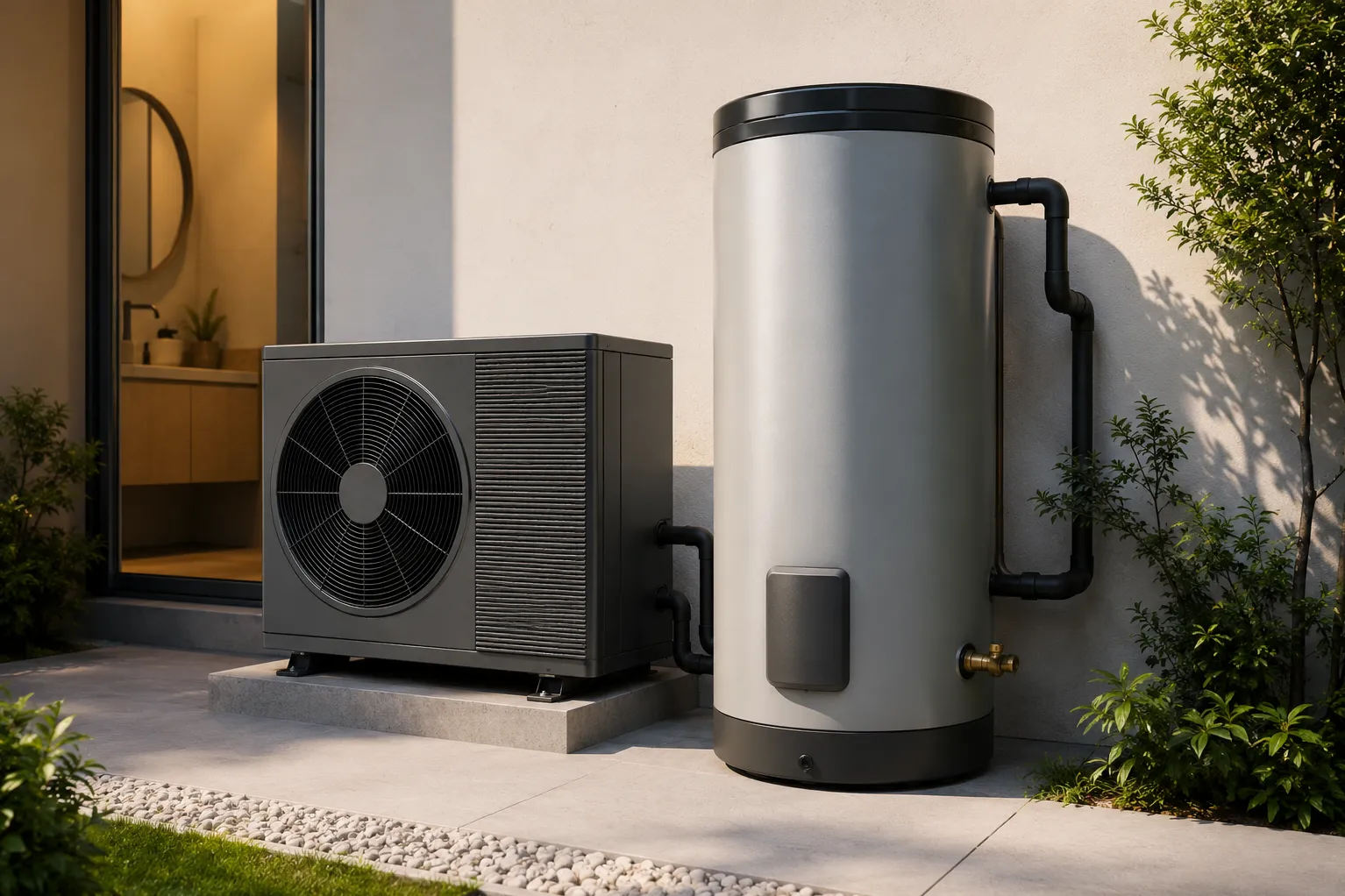
Hot water is an everyday necessity, whether it's for bathing, cleaning, or household chores. As electricity and fuel costs continue to rise, many homeowners are looking for smarter ways to reduce monthly utility bills without compromising comfort. One solution gaining widespread attention is the Energy Efficient Heat Pump Water Heater.
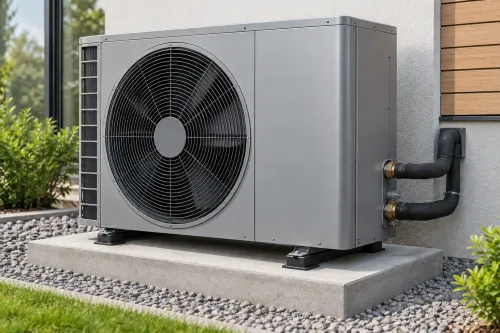
Unlike conventional electric geysers that generate heat directly, heat pump water heaters transfer heat from the surrounding air to the water. This process consumes significantly less electricity while delivering a consistent supply of hot water throughout the year.
For homeowners across Delhi NCR, where energy consumption is a growing concern, switching to an energy-efficient water heating system can provide long-term savings while supporting environmentally responsible living.
Understanding How a Heat Pump Water Heater Works
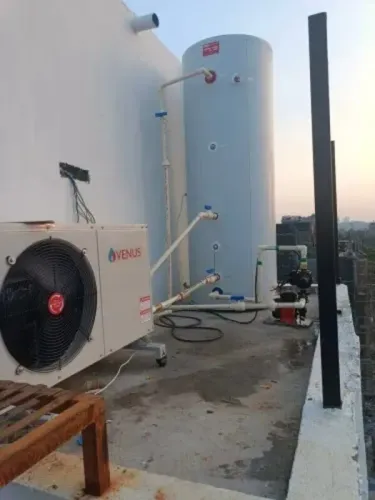
A heat pump water heater functions differently from a traditional water heater. Instead of producing heat through electrical resistance, it captures heat present in the surrounding air and transfers it to the water stored inside the tank.
The basic working process includes:
- Absorbing ambient heat using a refrigerant
- Compressing the refrigerant to increase its temperature
- Transferring the heat to water through a heat exchanger
- Delivering stored hot water whenever required
Because it moves heat rather than creating it, the system consumes much less electricity.
Why Energy Efficiency Matters
Water heating accounts for a significant portion of residential electricity usage. Even a small improvement in efficiency can lead to noticeable savings over time.
An energy-efficient heat pump helps by:
- Lowering electricity consumption
- Reducing monthly utility expenses
- Minimizing dependence on fossil fuels
- Supporting sustainable household practices
- Delivering reliable hot water throughout the year
These benefits make the technology suitable for both new homes and renovation projects.
Advantages Over Conventional Electric Water Heaters
Many homeowners continue using electric geysers simply because they are familiar with them. However, heat pump technology offers several practical advantages.
Lower Operating Costs
Heat pump systems require less electricity to produce the same amount of hot water, making them more economical over their lifespan.
Consistent Hot Water Supply
Modern systems are designed to maintain water temperature efficiently, ensuring reliable hot water even during periods of higher demand.
Longer Equipment Life
Many heat pump water heaters are built with durable components that require minimal maintenance when installed correctly.
Environmentally Friendly Performance
Lower electricity consumption also means a smaller carbon footprint, making these systems an attractive choice for environmentally conscious homeowners.
Ideal Applications in Residential Properties
An energy-efficient heat pump water heater works well in a variety of residential settings, including:
- Independent houses
- Villas
- Apartments
- Duplex homes
- Farmhouses
- Residential societies
The right system size depends on family size, daily water usage, and available installation space.
Factors to Consider Before Installation
Choosing the correct water heating system involves more than selecting a capacity.
Homeowners should evaluate:
- Daily hot water requirements
- Available installation location
- Local climate conditions
- Electrical infrastructure
- Insulation quality
- Long-term operating costs
Professional assessment helps ensure optimal system performance.
Common Misconceptions About Heat Pump Water Heaters
They only work in hot climates.
Modern air source heat pump systems operate effectively across a wide range of weather conditions, making them suitable for many regions.
Installation is complicated.
While professional installation is recommended, the process is straightforward when handled by experienced technicians.
They are expensive.
Although the initial investment may be higher than a conventional geyser, lower electricity bills often help offset the upfront cost over time.
Maintenance Tips for Better Performance
Routine maintenance helps maximize efficiency and extend equipment life.
Recommended practices include:
- Cleaning air filters regularly
- Inspecting refrigerant lines
- Checking water connections
- Flushing the storage tank when necessary
- Scheduling periodic professional servicing
Preventive maintenance also helps detect small issues before they become costly repairs.
Growing Interest in Sustainable Water Heating
As energy prices continue to fluctuate and environmental awareness increases, more homeowners are exploring alternatives that reduce operational costs without sacrificing convenience.
Companies such as RISE N SHINE have contributed to this transition by offering advanced heat pump water heating systems designed for residential applications. Homeowners researching different technologies often compare product performance, efficiency ratings, and long-term operating costs before making an informed decision.
For families planning new construction or upgrading existing water heating systems in Delhi NCR, an energy-efficient heat pump water heater offers a practical combination of comfort, savings, and sustainability.
Keywords